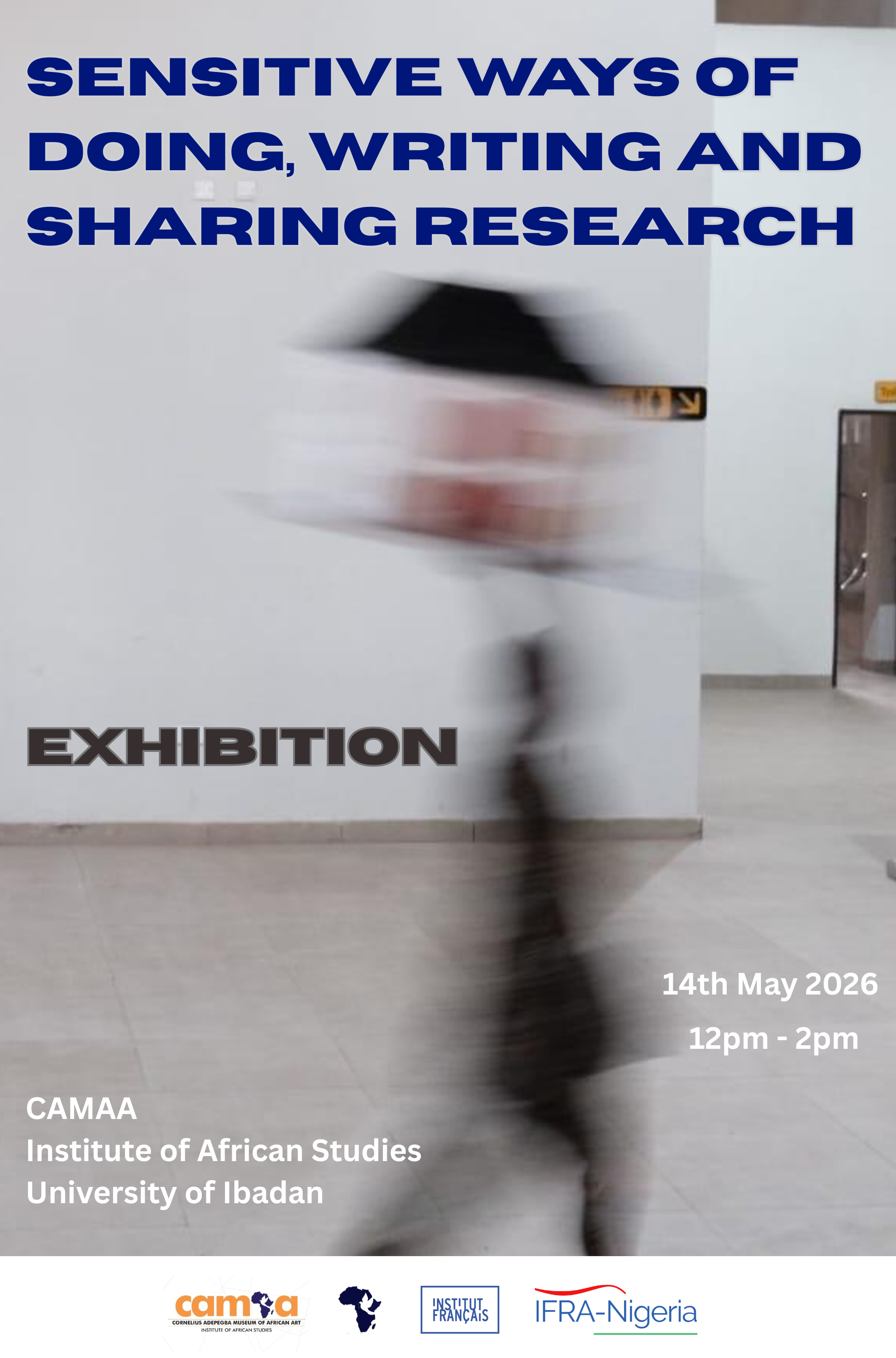
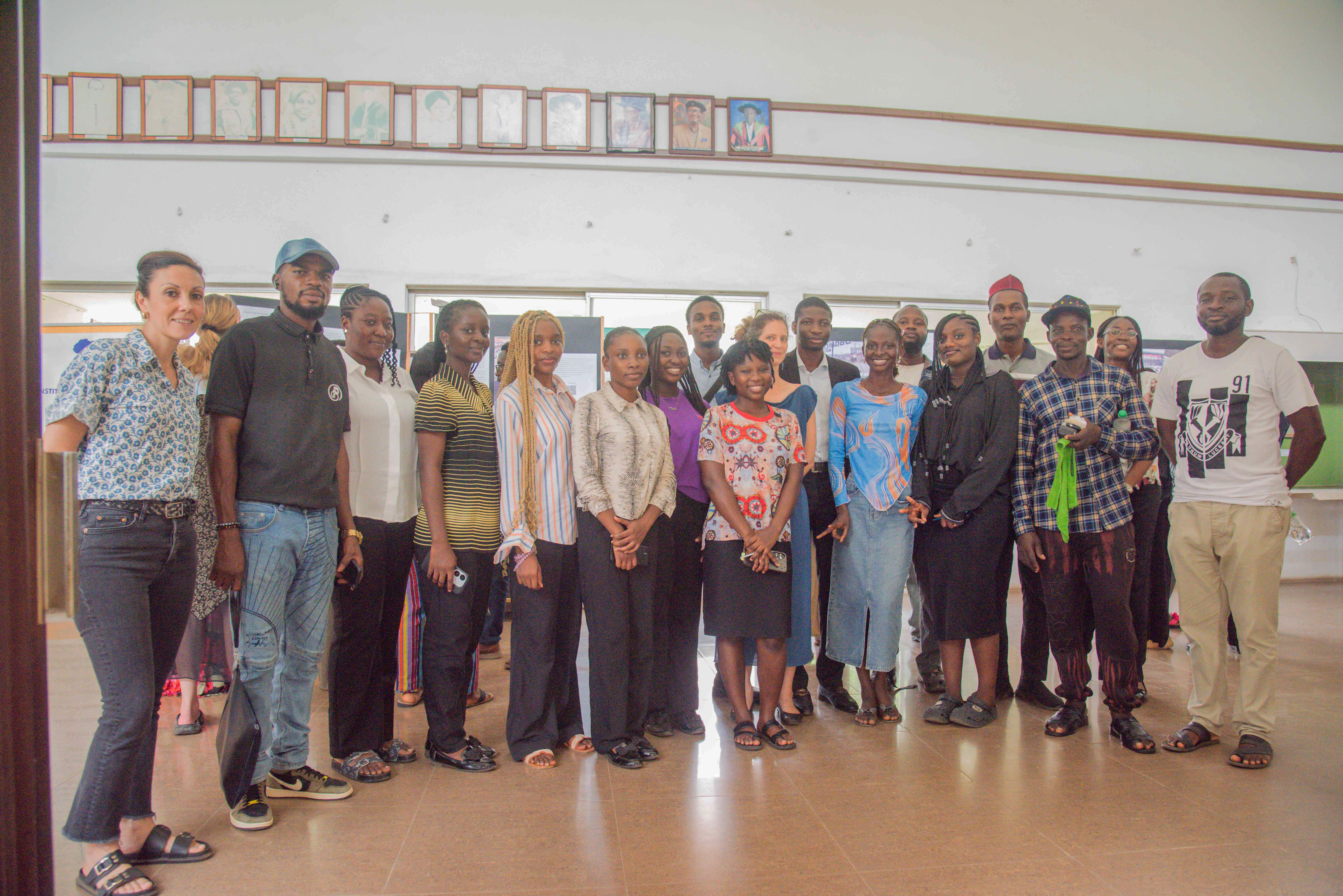
On Thursday 14 May 2026, the participants of the February workshop on "Sensitive ways of doing, writing and sharing research" presented their work in an exhibition at the Institute of African Studies, University of Ibadan, with the collaboration of the Cornelius Adepegba Museum of African Art (CAMAA). The four groups each carried out a fieldwork in the Ibadan central bus station, from which they extracted a scientific analysis in an original form: a creative writing piece, photographs and an audio montage. From the same location and with the same instruction, each revealed different insights on health, gender, the market and infrastructure in the station. This event is part of our 2026 "Debate of Ideas" programme on the theme "Listen to Sensitive and Alternative Voices to Pave the Way."
The opening of the exhibition was attended by the participants, students, staff of the Institute of African Studies and representatives of workers at the bus station. After introductory remarks by Dr Pauline Guinard, IFRA-Nigeria Director, Dr Delphine Manetta, IFRA-Nigeria Deputy-Director and Professor Molatokunbo Seunfunmi Olutayo, the attendants were able to look through the students' creations and interact with them regarding their work.
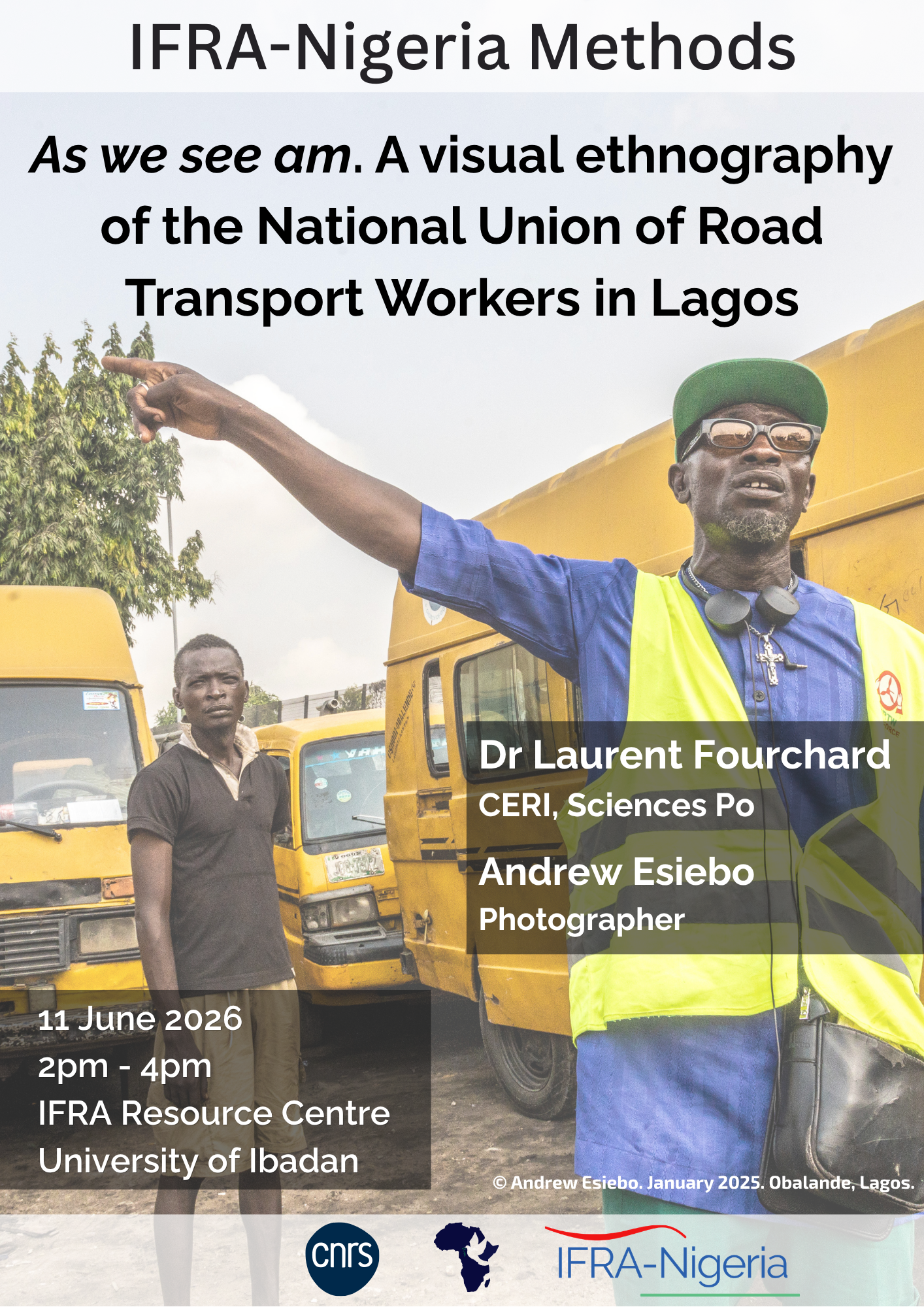 On 11 June, Andrew Esiebo and Dr Laurent Fourchard will present a visual ethnography work they have been carrying out together since 2024 on the National Union of Road Transport Workers (NURTW) in Lagos as part of our methodological seminar series. Through a mixed methodology of photography and ethnography, they explore the visible hand of an organization whose main functions are unseen, hidden, difficult to grasp or stigmatized. They aim to shed light on the front stage of the union and to expose the nature of public authority in spaces abandoned by the state. The seminar will explore at what conditions do collaborative work make it possible to overcome the clichés and stereotypical stories about this union and how, the practices of one modify the practices of the other.
 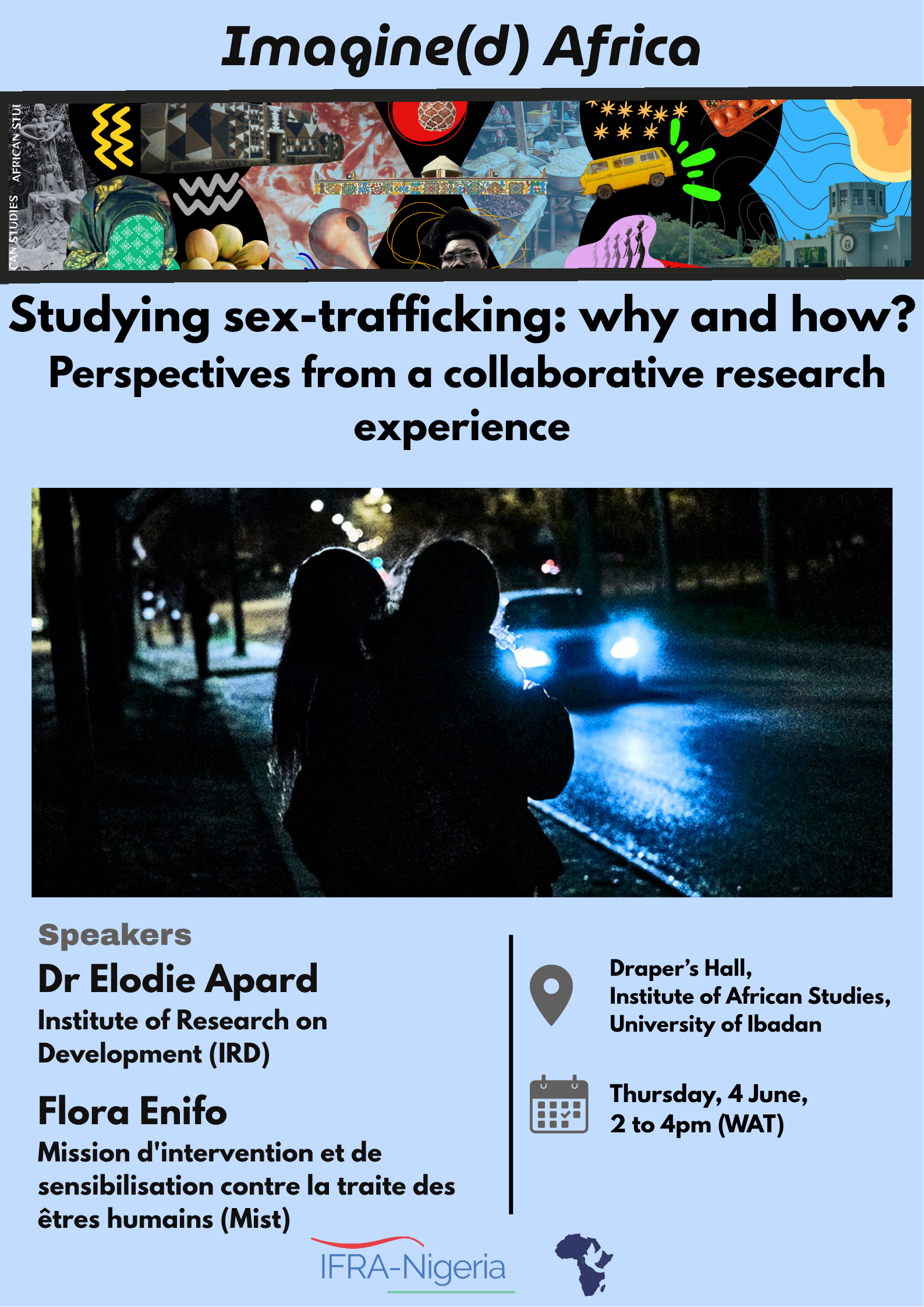 The upcoming session of our "Imagine(d) Africa" conference series, organised in collaboration with the Institute of African Studies of the University of Ibadan, will tackle the topic of human trafficking. Dr Elodie Apard (Institute of Research on Development) and Flora Enifo (MIST association) will introduce their work both scientific and associative, to understand and help trafficked Nigerian women.
 ![[CLOSED] Call for Papers - Urban Myths and Experiences in Africa](/images/2026/10/Call%20Urban%20myths_Intro%20call.png)
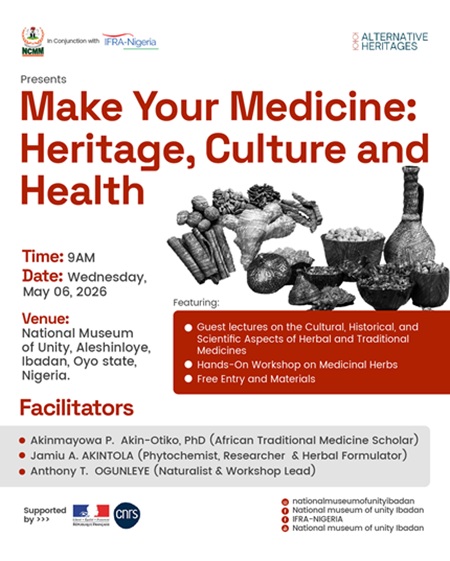
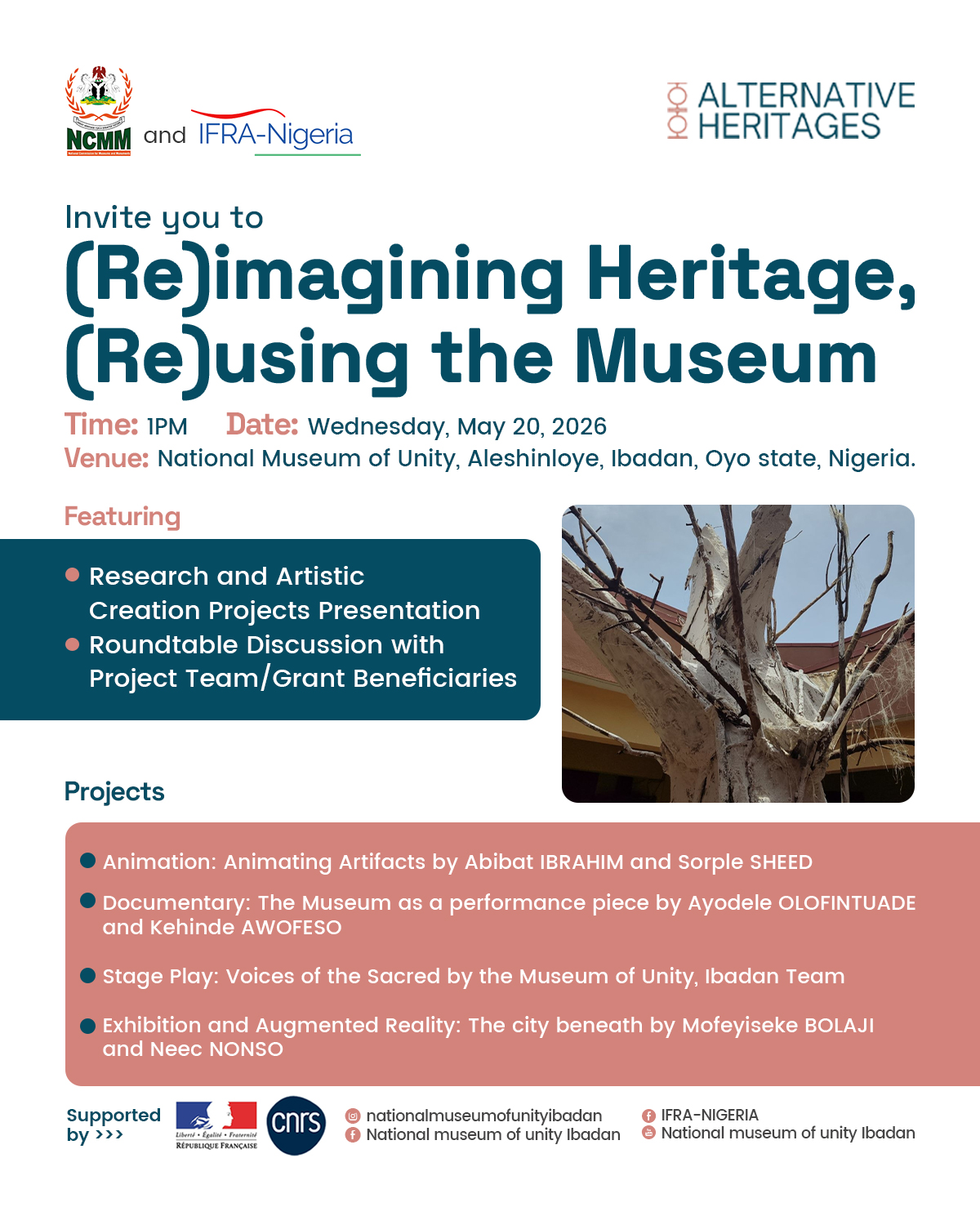 The National Museum of Unity Ibadan and IFRA-Nigeria are organising an event with the theme “(Re)imagining Heritage, (Re) using the Museum”, which will feature a presentation of the research and artistic creation projects, and a roundtable discussion with the project team and grant beneficiaries. This event takes place as part of the French Embassy Fund project, Nigerian Alternative Heritages.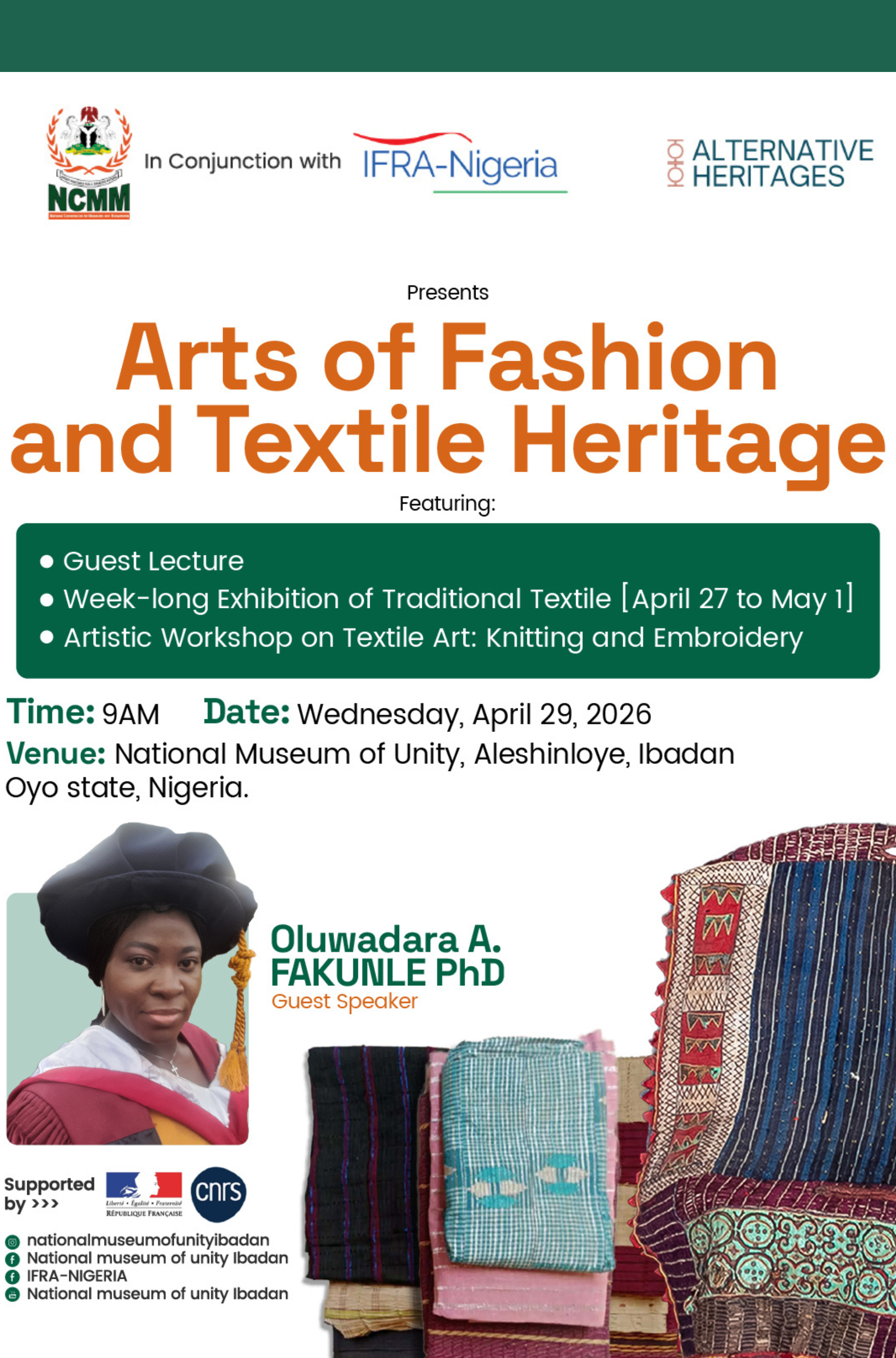
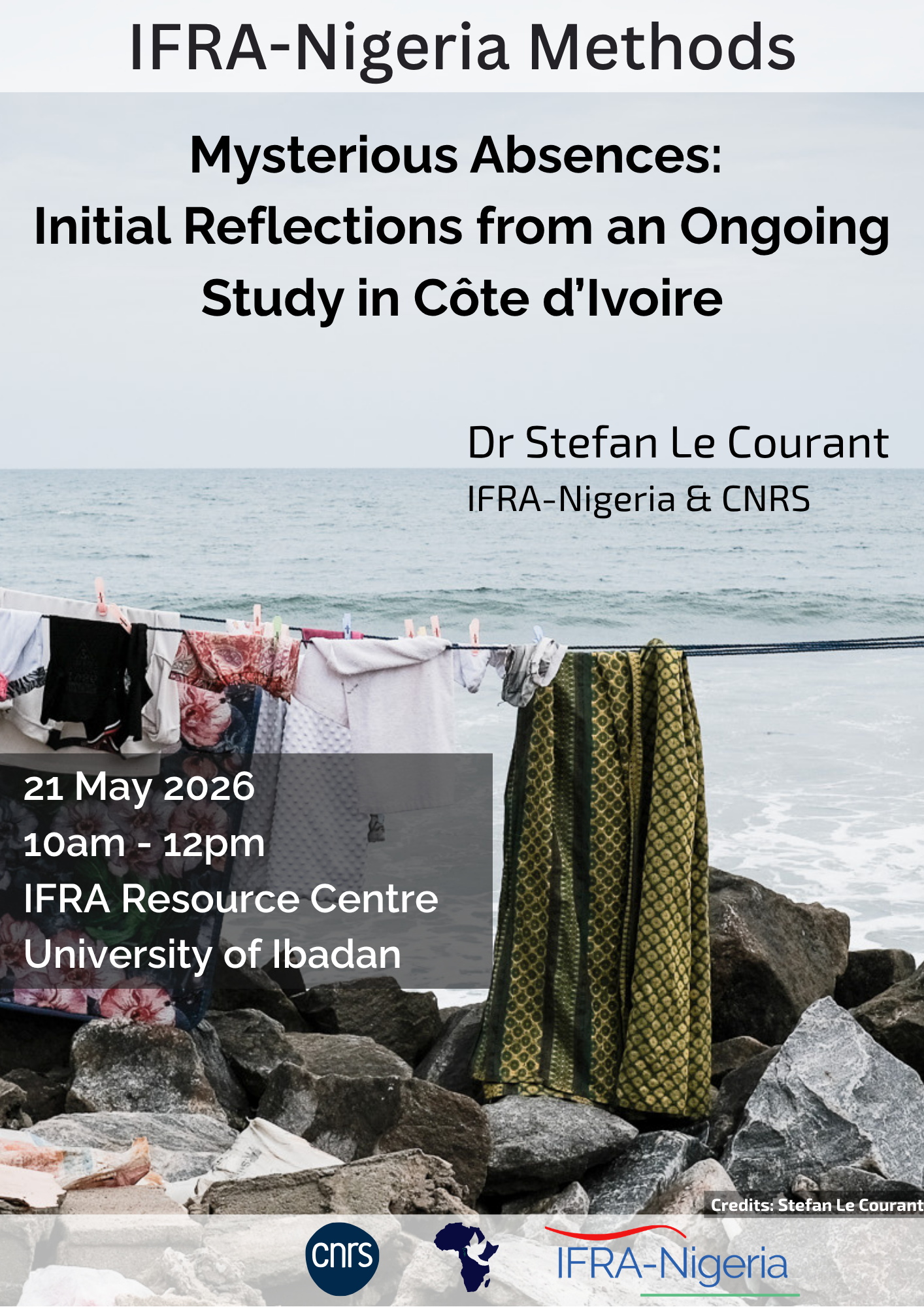 Join us for the May edition of our Methodological seminar series titled “Mysterious Absences: Initial Reflections from an Ongoing Study in Ivory Coast”. This session will feature Dr Stefan Le Courant, research at CNRS and currently attached to IFRA-Nigeria.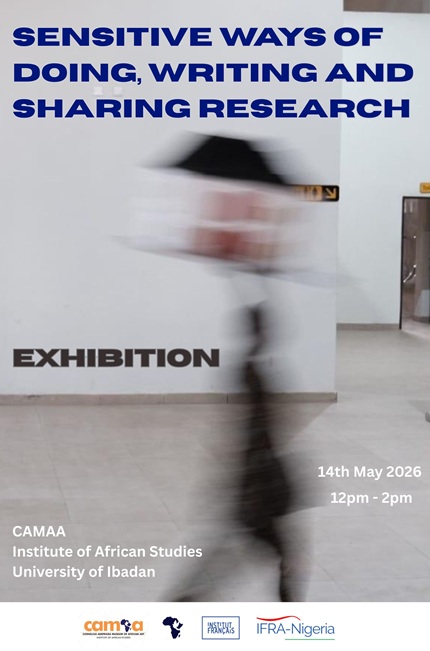
![[CLOSED] Call for applications - Doctoral School “The Making of the Research Object”](/images/2026/11/Doctoral_School_Intro_call.png)
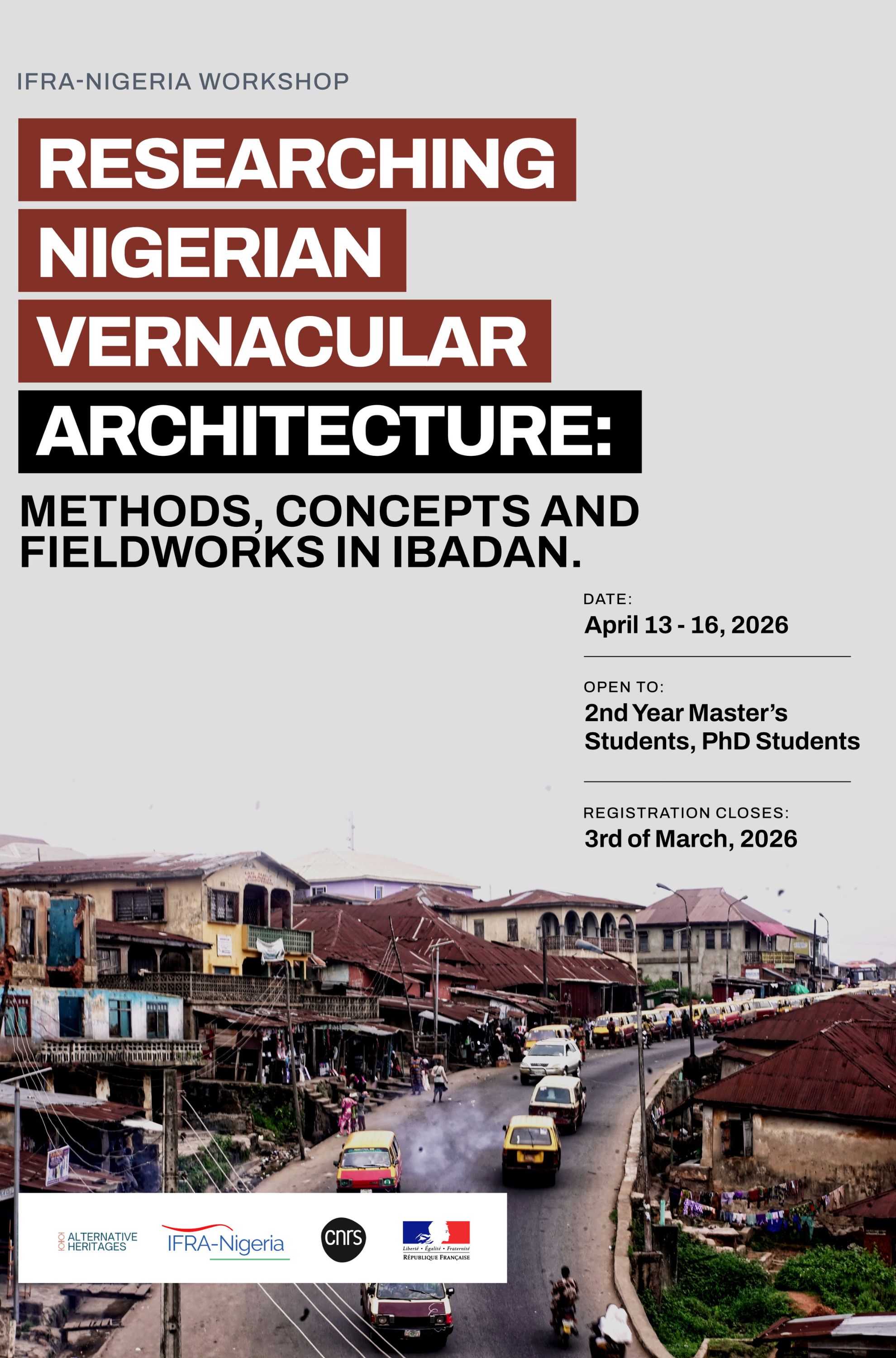
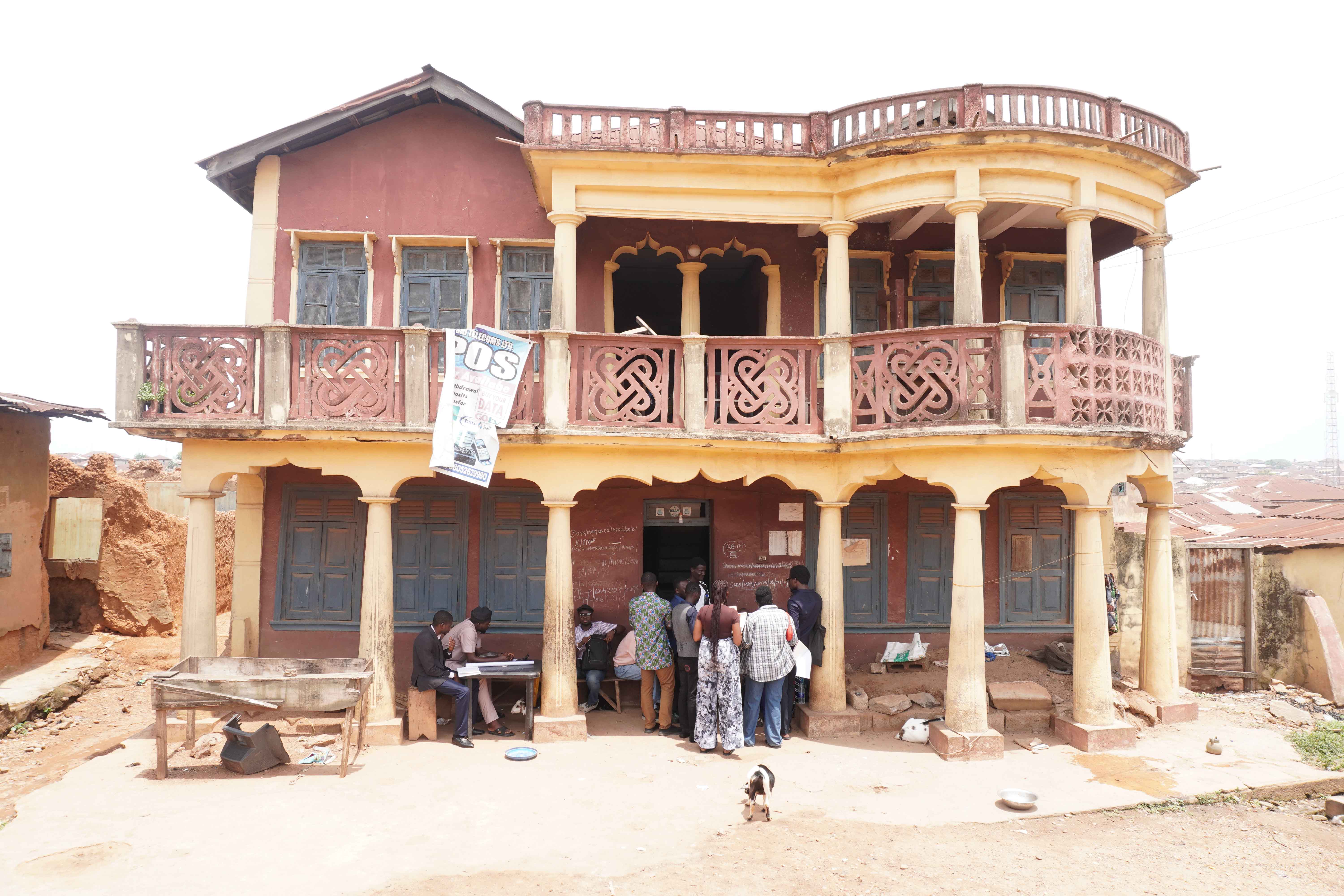 From 13 - 16 April 2026, IFRA-Nigeria convened a multidisciplinary masterclass on vernacular architecture, bringing together scholars in architecture, history, sociology, urban geography and ethnography. The session explored how Nigeria’s built environment not only shelters life but also reflects cultural adaptation, social transformation and acts of resistance.