
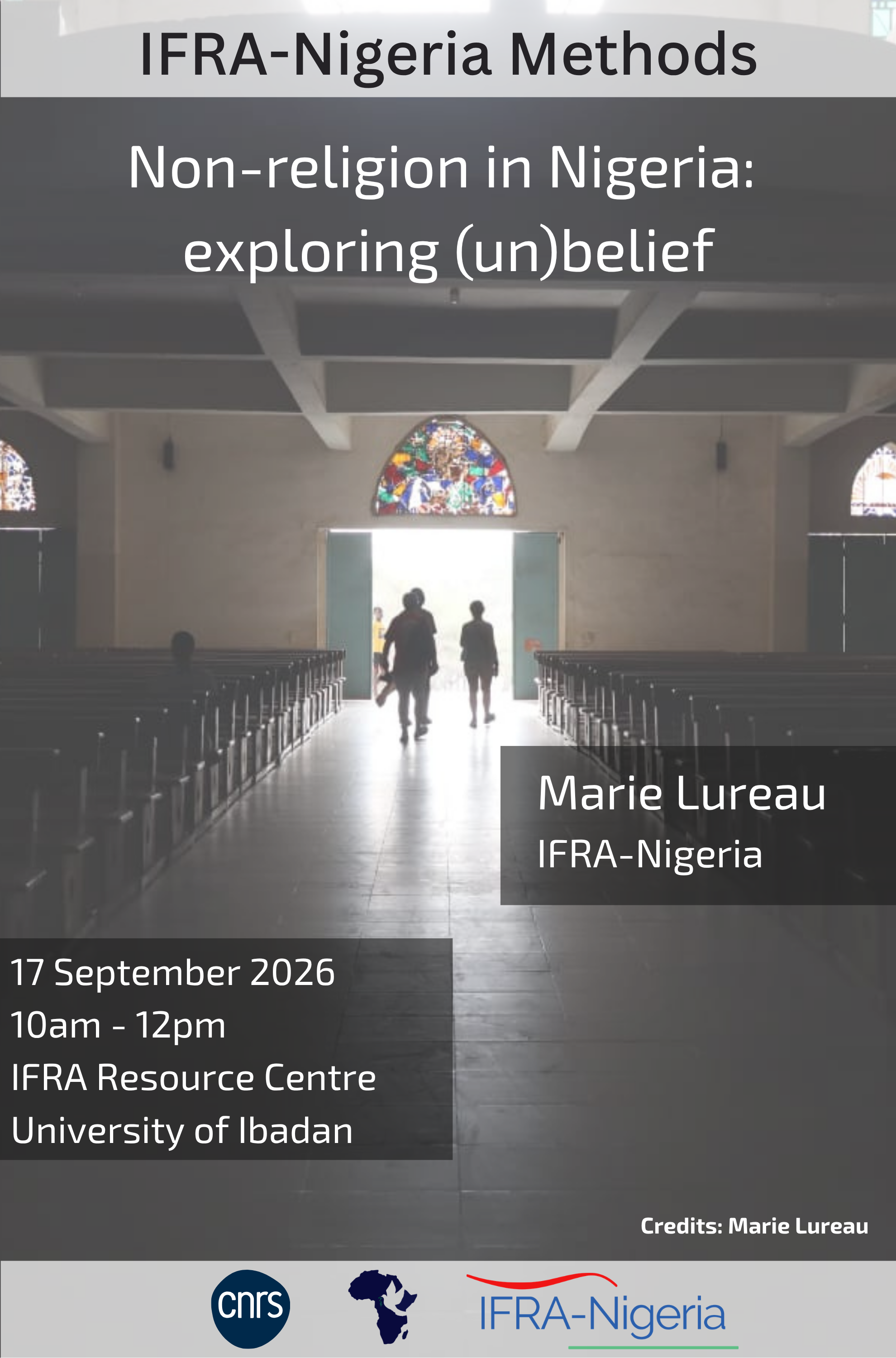
On 17 September, Marie Lureau, Research Project Manager at IFRA-Nigeria, presented her work on “Non-religion in Nigeria: exploring (un)belief” in our September methodological seminar.
This particular seminar was meant to be exploratory - as the research project is still at its beginning - as well as highly interactive to discuss with the audience their perception of what non-religion can be in Nigeria.
Marie Lureau began her seminar by highlighting Nigeria’s perception, both nationally and internationally, as a highly religious country, a perception backed by statistics that indicate a quasi-absence of people without faith. Despite this, she noticed that atheism was a common topic of discussions in media, online and among individuals. Moreover, figures like the writer Wole Soyinka illustrate that leaving religion is not a new phenomenon in Nigeria. Moreover, secular studies, while quite developed in the Western world, are nearly completely absent from the Nigerian continent, which is what convinced her to begin this research project.
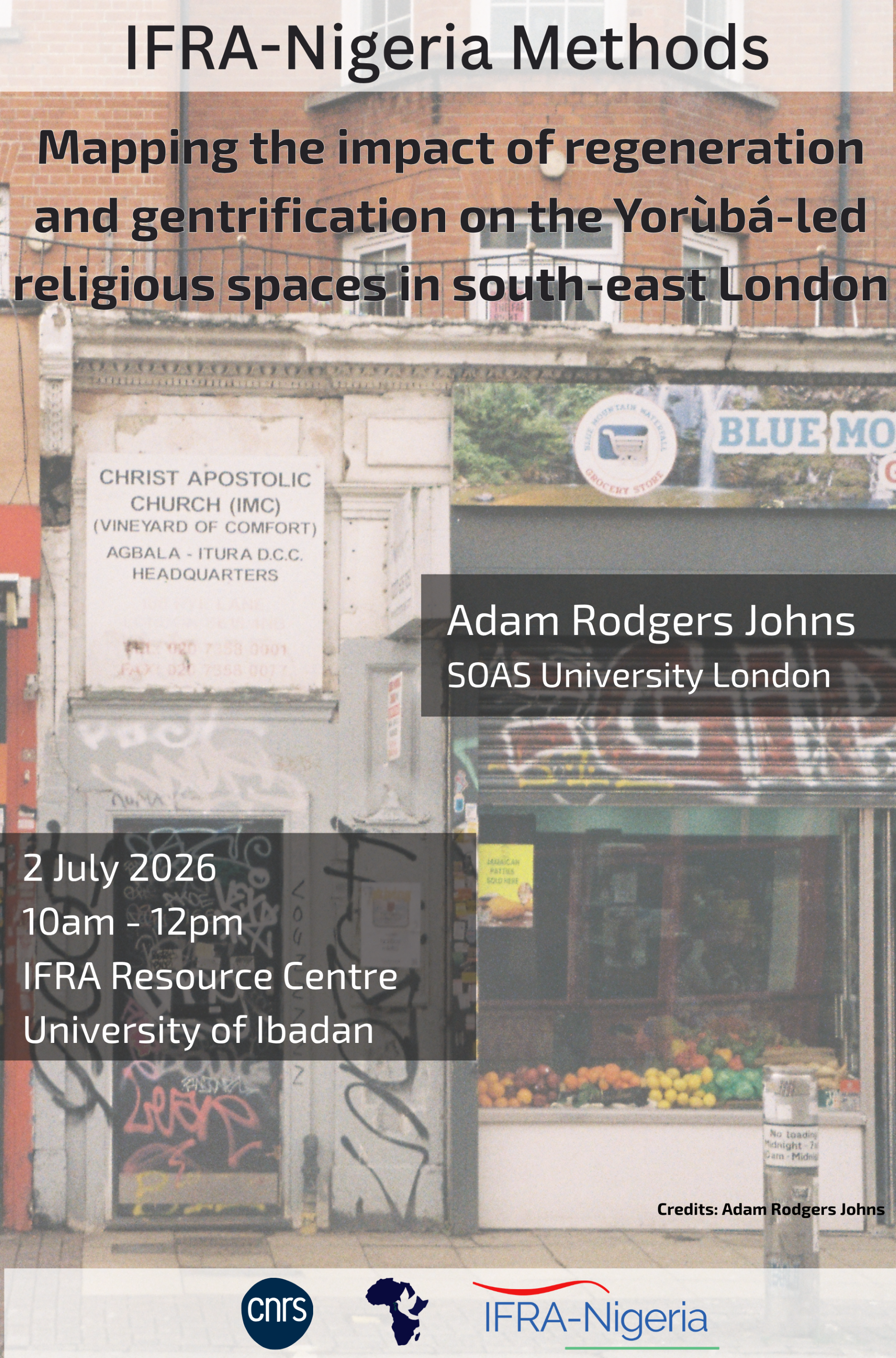
On 6 July, Adam Rodgers Johns, doctoral student in anthropology and Swahili teacher at SOAS University, presented his work “Mapping the impact of regeneration and gentrification on the Yoruba-led religious spaces in south-east London” in our last methodological seminar of the academic year.
His research focuses on the Yoruba community in south-east London, specifically the Peckham area. Often referred to as “Little Lagos,” given the high number of residents from the Nigerian diaspora, it’s also the neighbourhood where Adam Rodgers Johns grew up.
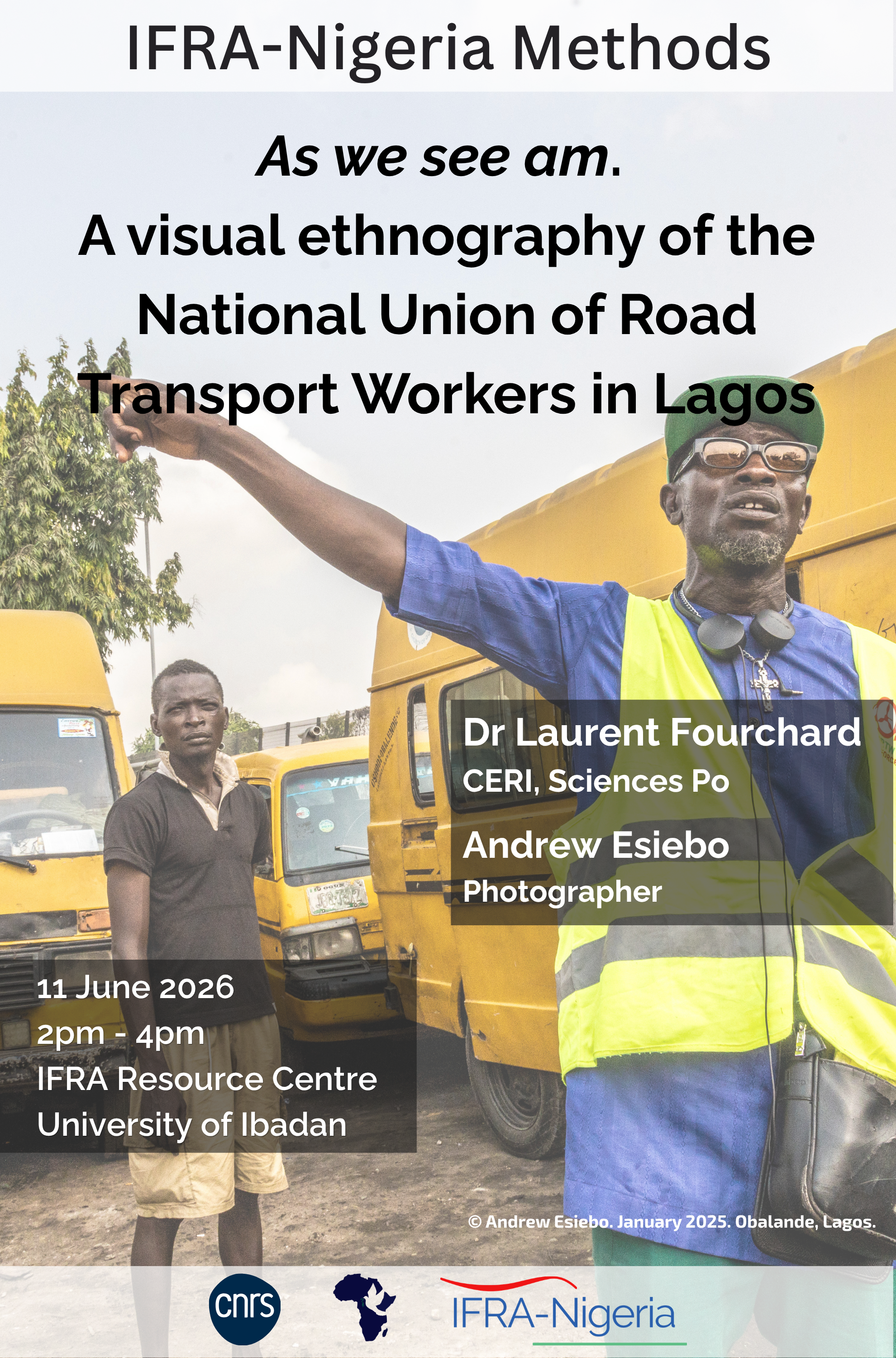
On 11 June 2026, Professor Laurent Fourchard (Sciences Po) and Andrew Esiebo, professional photographer and visual artist, presented their collaborative research in our June methodological seminar. In their presentation, entitled “As we see am. A visual ethnography of the National Union of Road Transport Workers (NURTW) in Lagos” they explored what it means to work with an artist as a researcher, including how to manage each different objectives and timelines.
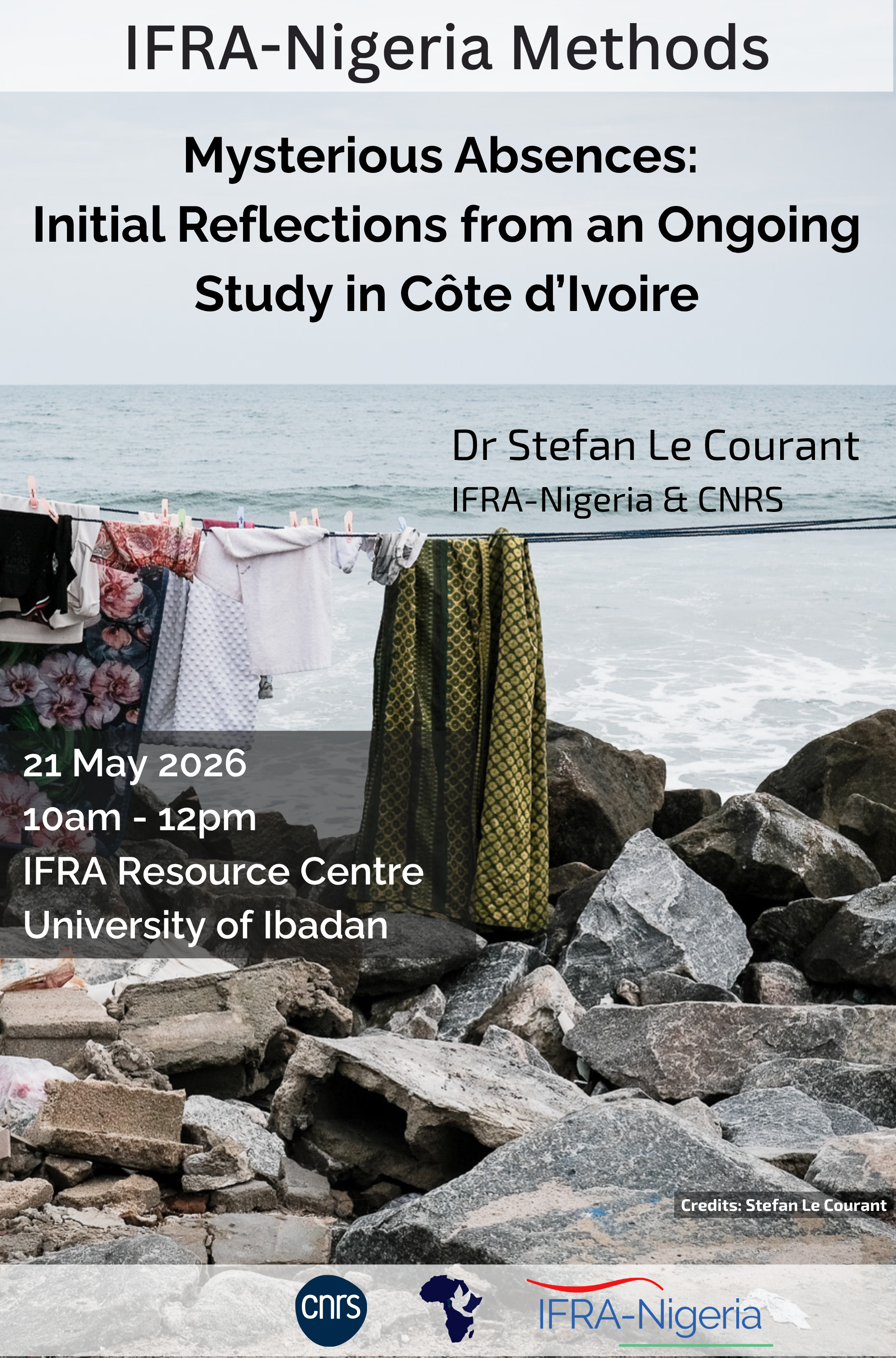
On 21 May 2026, Dr Stefan Le Courant (IFRA-Nigeria and CNRS) held a methodological seminar on the topic “Mysterious absences: initial reflections from an ongoing study in Ivory Coast”, where he went over his current fieldwork. Though his work touches on migration, he takes an original approach by not focusing on the movement of population aspect. For example, previously in France, he studied migrants forced to hide from authorities because they are illegally present in the country. What interested him was the question of building identity when you have to hide who you are.
His new project, which takes place in Côte d’Ivoire and Nigeria, focuses on the people who disappeared, usually while attempting to migrate to North Africa or Europe. Specifically, he interrogates what is the impact of their absence, how the people left behind manage this in their daily life.
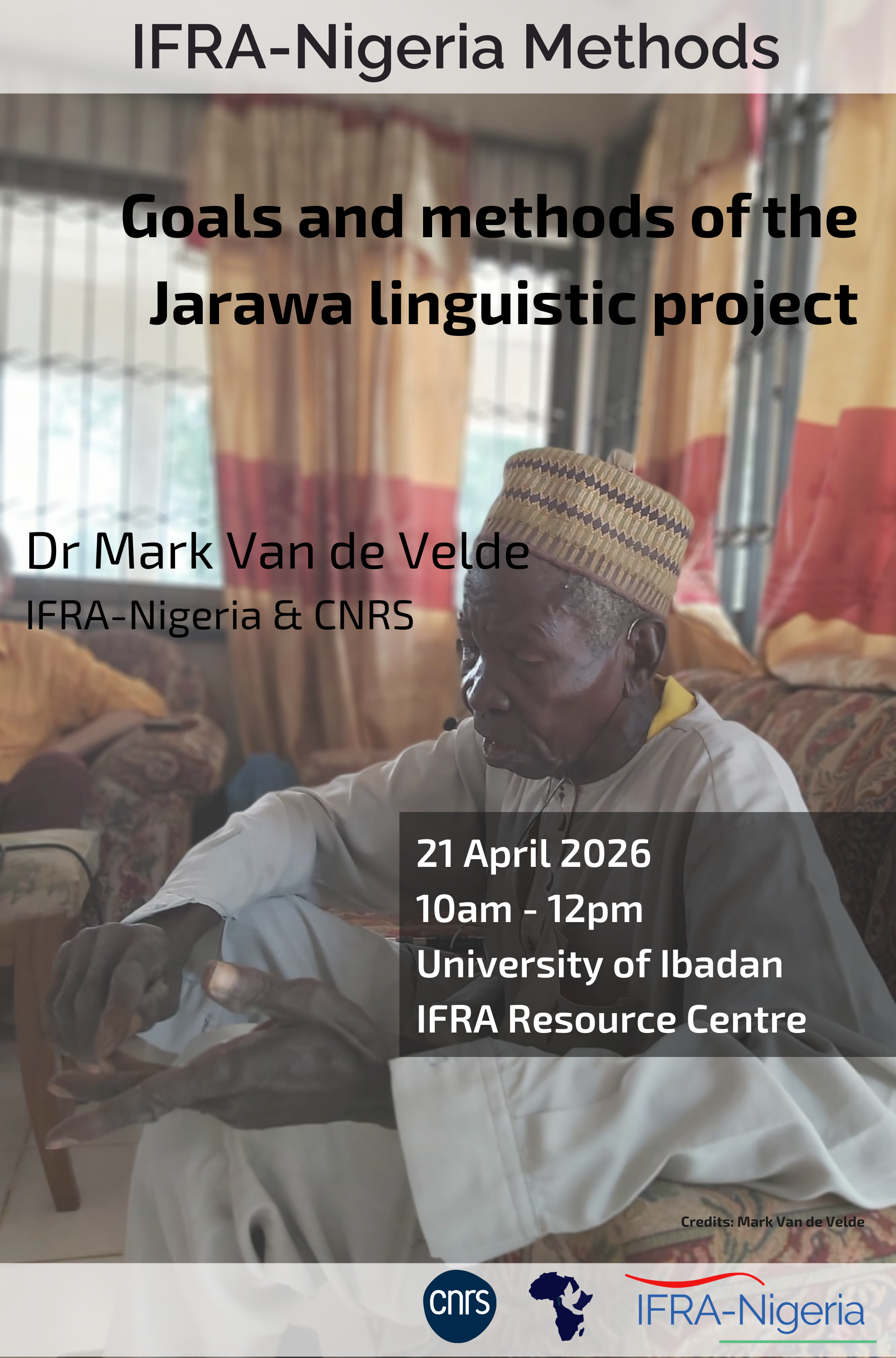
On 21 April, IFRA-Nigeria welcomed Dr Mark Van de Velde, linguist and CNRS researcher currently working at IFRA-Nigeria, for our monthly methodological seminar. His presentation focused on the “Jarawa project”, a five-year research project funded by the French National Agency for Research (ANR), which will study the languages of the Jarawan family, in North-East Nigeria.
On 31 March, IFRA-Nigeria welcomed Dr Shina Alimi, associate professor from the Department of History at Obafemi Awolowo University, for our March methodological seminar.
Dr Shina Alimi began his career as a historian with the exploration of print media, and progressively developed the notion that it is necessary to go beyond the surface of the colonial archives, to understand the silences of history. Looking for unconventional sources of knowledge, he turned to colonial advertisements, in particular those dedicated to medical or hygiene products, asking: how did colonial advertisements medicalise black bodies? How did this make the body an object to be reformed through consumption? Can we read advertisements as ethnographic archives?
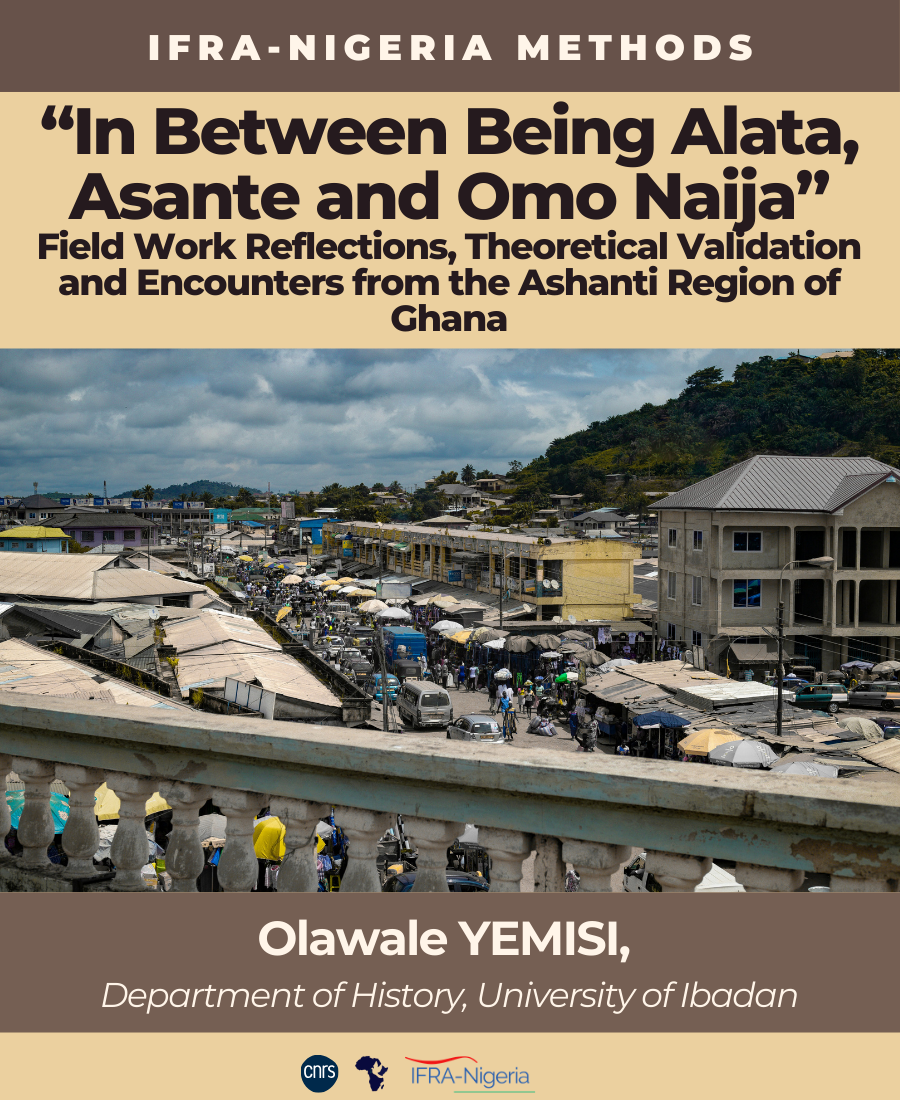
On 17 February, Yemisi Olawale, PhD candidate at the Department of History, University of Ibadan, presented his work in IFRA-Nigeria’s methodological seminar.
His focus is on the history of Yoruba Nigerian migrants to the Ashanti region of Ghana, from 1970 to 2021. In particular, his interest lies in the “return migration” and the process of reintegration of the migrants forced to leave the country following the 1969 Ghana Aliens Compliance Order.
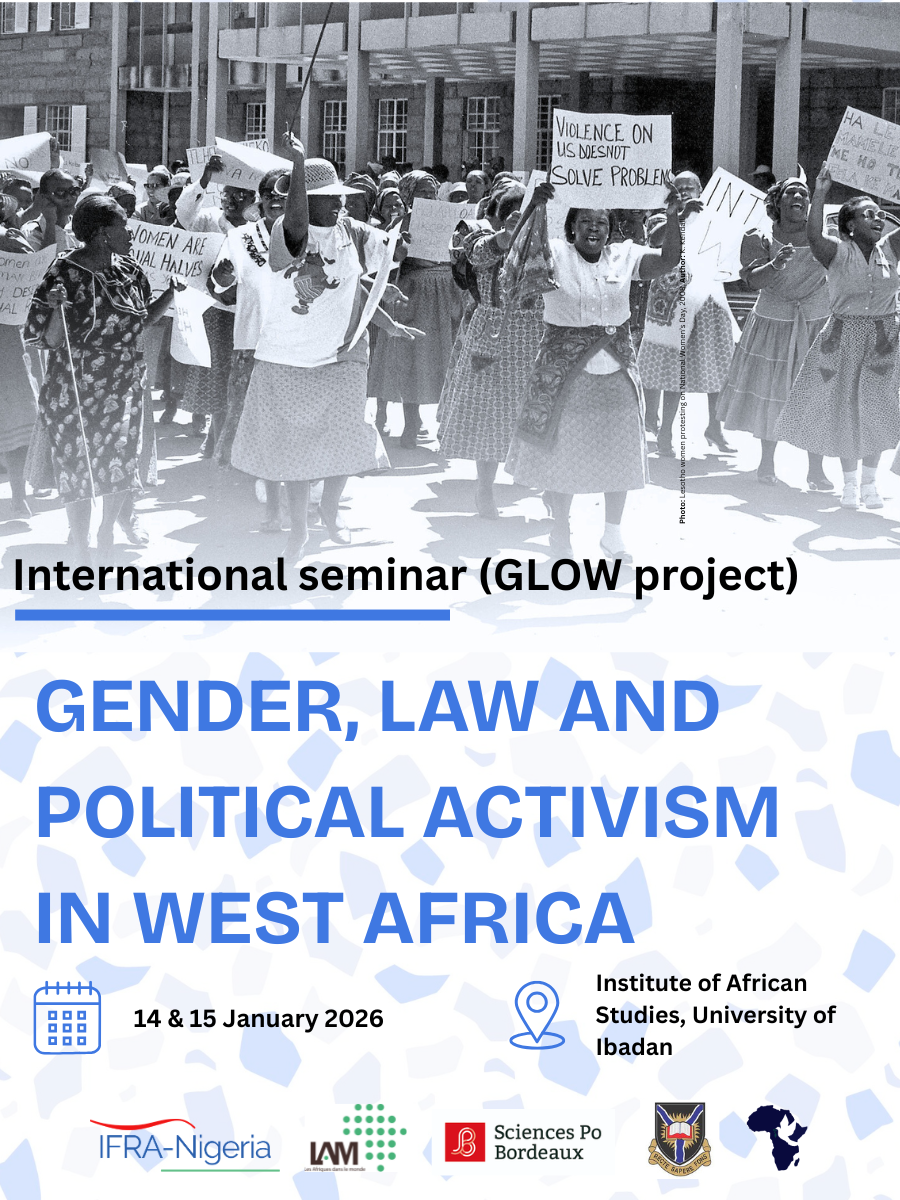
Between 14 and 15 January, the members of the Gender, Law and Political Activism in West Africa (GLOW) project met at the Institute of African Studies (IAS) for its final seminar. The GLOW project emphasizes multidisciplinarity to overcome methodological barriers in the study of women's legal mobilisation for gender equality in West Africa throughout the XX and XXIst centuries. By examining this history, GLOW offers a new perspective on the region's political and social history, and provides new insights into the legal construction of social inequalities.
During this seminar, researchers from Burkina Faso, France, Ghana, Italy and Nigeria gathered to discuss the various topics they worked on throughout the duration of the project. Through this writing workshop, each received feedback from the other members of the GLOW projects, as well as from a few selected University of Ibadan students who attended the event. You'll find below short summaries of each discussed papers, which will all be published in an upcoming special issue of Feminist Africa.
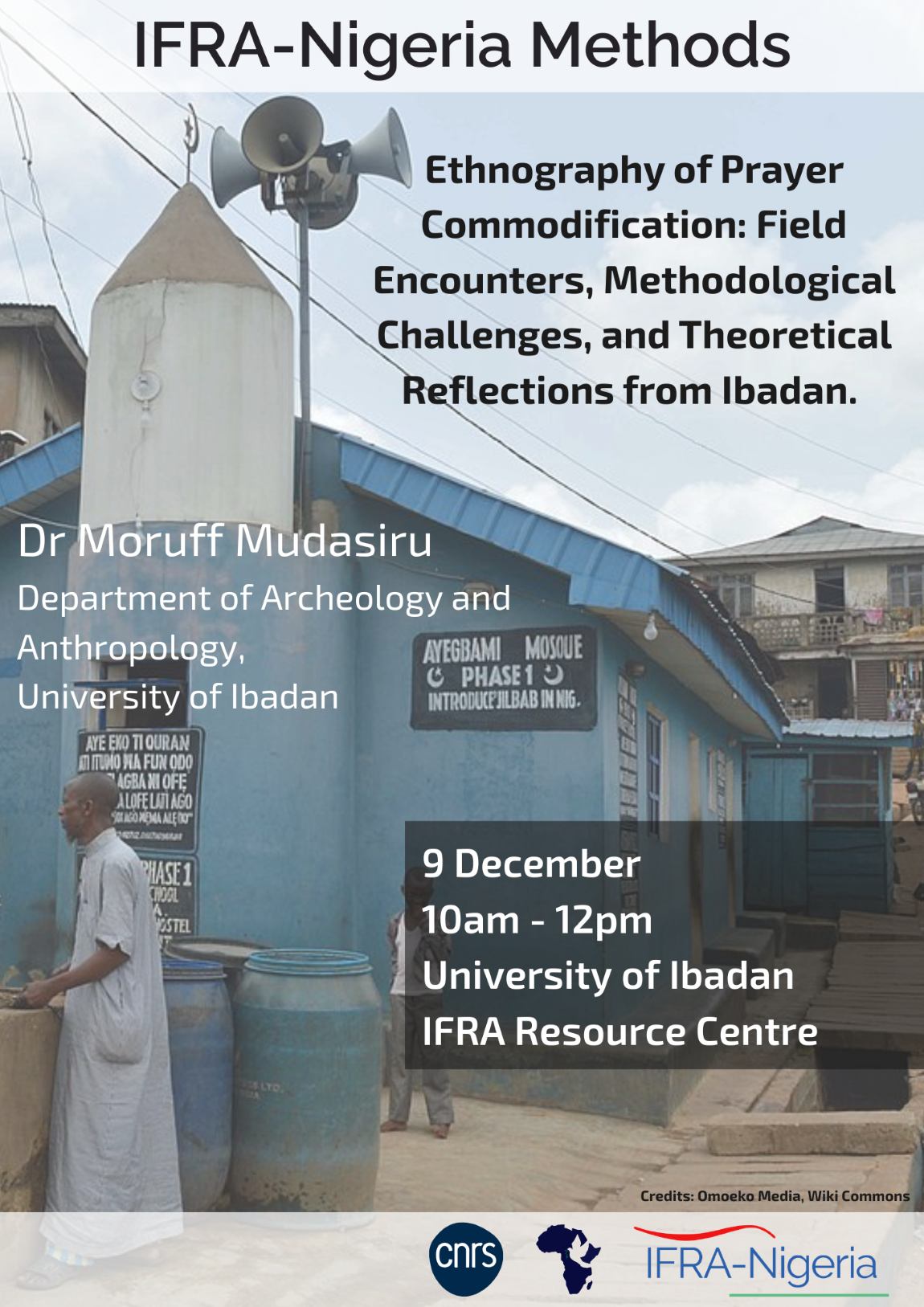
On 11 December 2025, we had the pleasure of hosting Dr. Moruff Mudasiru from the Department of Archaeology and Anthropology, University of Ibadan, who delivered a thought-provoking presentation titled: “Ethnography of Prayer Commodification: Field Encounters, Methodological Challenges, and Theoretical Reflections from Ibadan.”
Drawing on his ethnographic research on Jálàbí, the Islamic petitionary prayer in Ibadan, Dr. Mudasiru took us deep into the realities of fieldwork - highlighting issues of trust-building, ethical dilemmas, unexpected encounters and what it truly means to practice ethnography in complex social settings. His use of a hermeneutic theoretical framework offered rich insights into the symbolic and economic dimensions of prayer practices, making important connections to the anthropology of Islam.
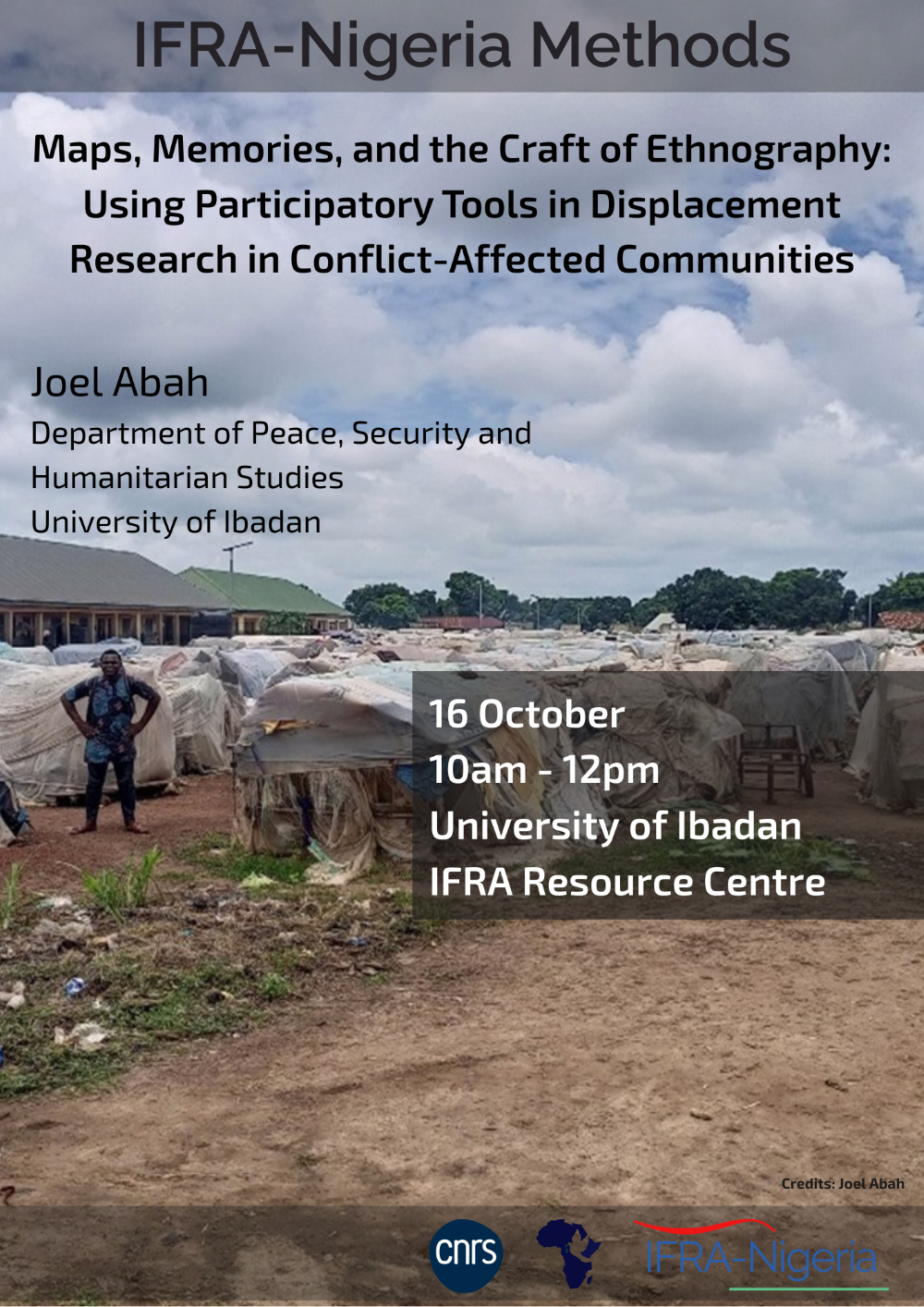
On 16 October, 2025, Joel Abah, doctoral candidate at the Department of Peace, Security and Humanitarian studies at the University of Ibadan, presented his work on communities in Benue displaced camps during our latest methodological seminar "Maps, Memories, and the Craft of Ethnography: Using Participatory Tools in Displacement Research in Conflict-Affected Communities".
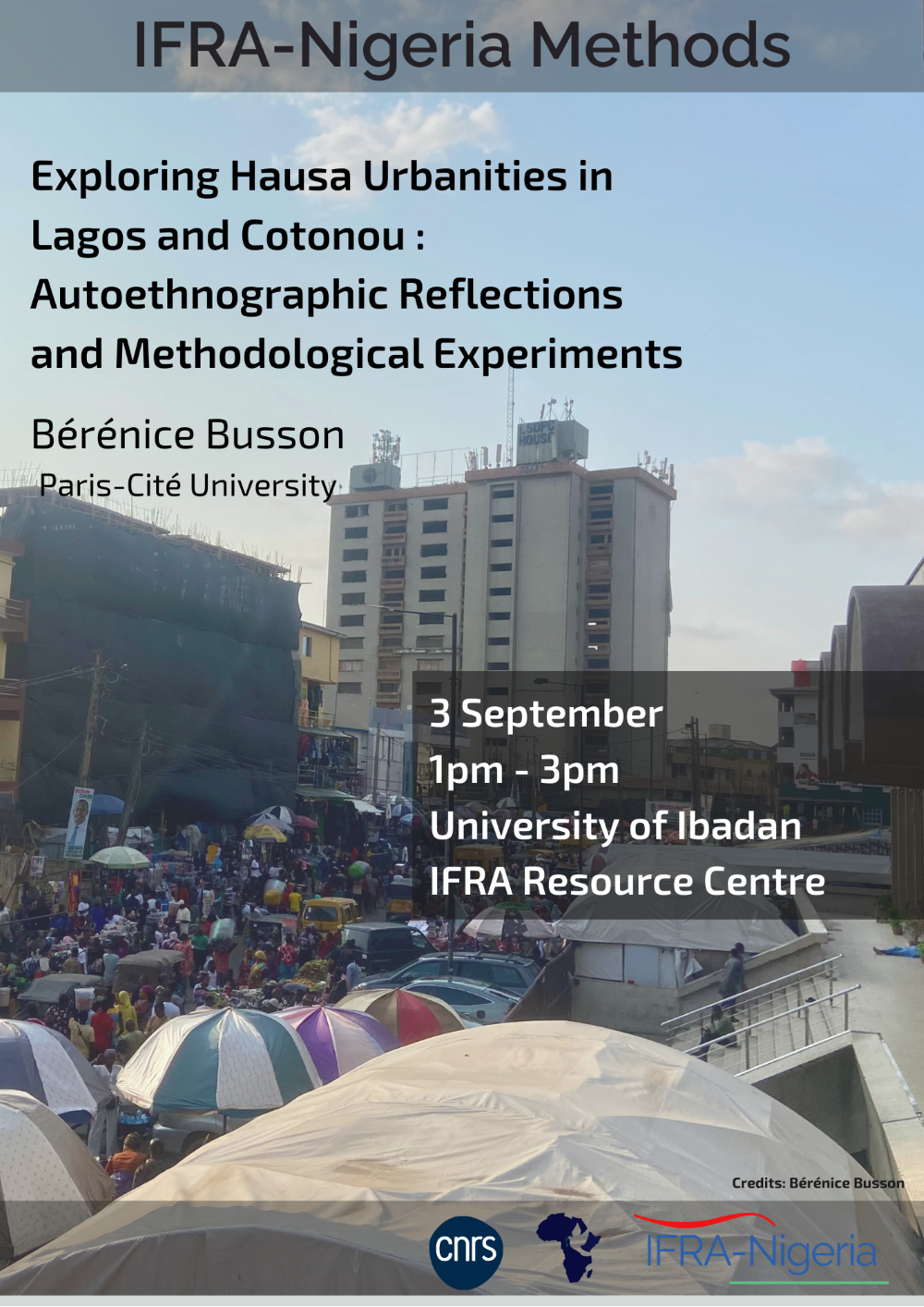
On 3 September 2025, Bérénice Busson, PhD student in geography at the Université Paris Cité (CESSMA Lab), held our first methodological seminar of the 2025-2026 academic year. She talked on "Exploring Hausa Urbanities in Lagos and Cotonou : Autoethnographic Reflections and Methodological Experiments".
First, she presented the social position of Hausa, a fluid ethnic group from the Sahelian region, specifically from north Nigeria and south Niger. In Cotonou (Benin Republic), where she began her fieldwork, they are seen as a minority on two accounts : first as a religious minority, being mostly Muslim, and second, they are perceived as strangers from an "underdeveloped" region. On the basis of this observation, she stated her two questions : Considering their different economic background and time staying in the city, how do they negotiate their position in it? How are they coping with potential discriminations or obstacles to urban resources access, being in a subaltern position?
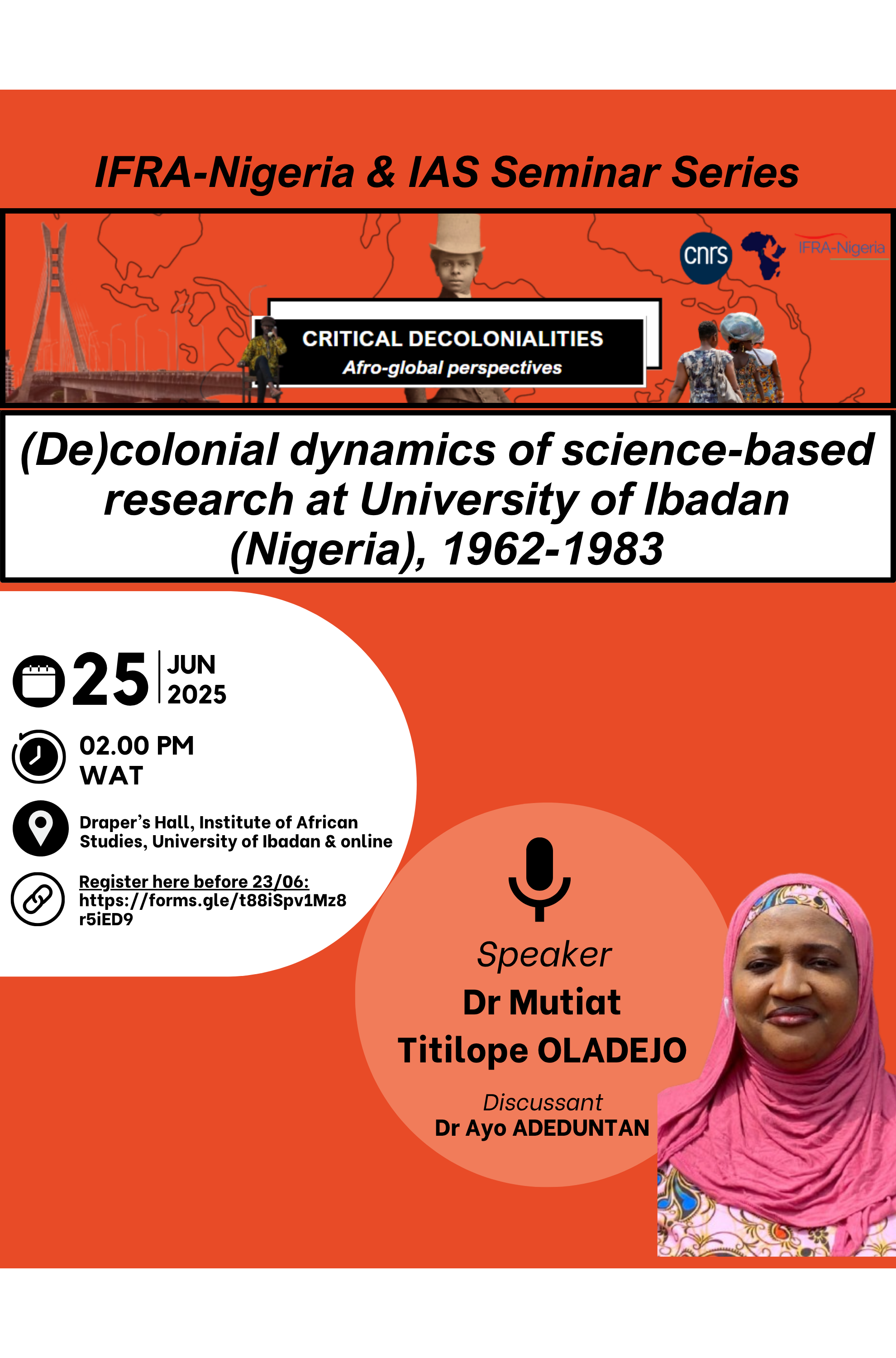
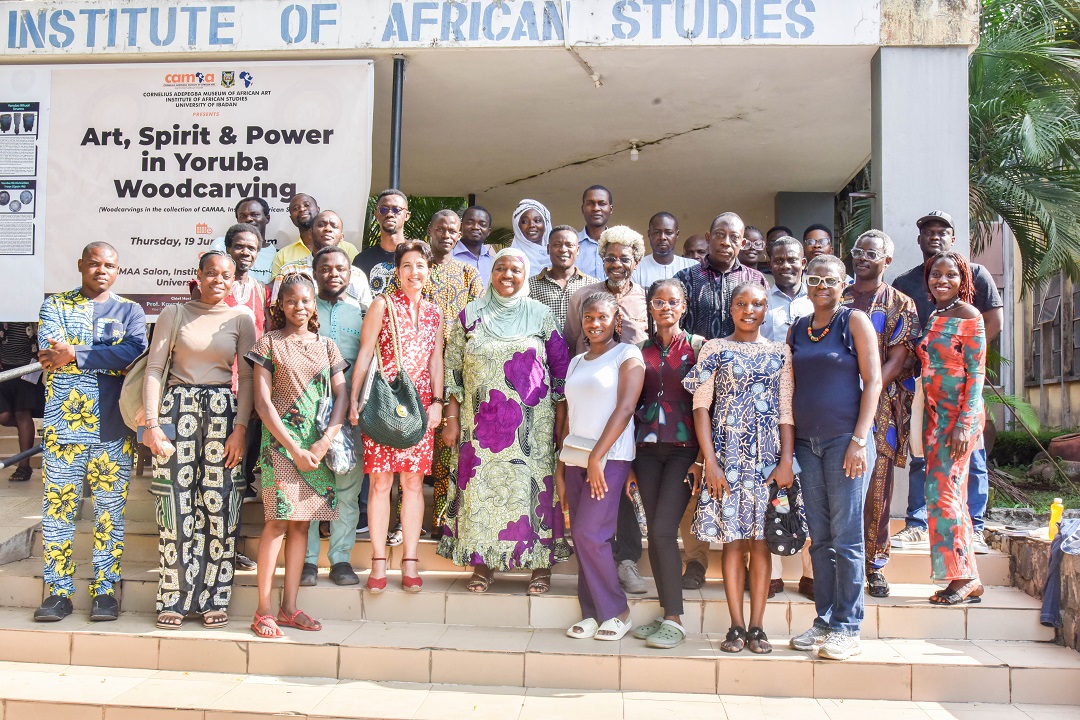 On 25 June, IFRA-Nigeria, in collaboration with the Institute of African Studies, University of Ibadan, hosted Dr Mutiat Titilope Oladejo (Department of History, University of Ibadan) and Dr Ayo Adeduntan (Institute of African Studies, University of Ibadan) for another edition of the “Critical Decolonialities” seminar series. The session, titled “(De)Colonial Dynamics of Science-Based Research at the University of Ibadan (Nigeria), 1962 - 1983,” explored the evolution of science-based research at the University of Ibadan (UI) through the dual lenses of colonial legacies and Afrocentric renewal.
Originally established as part of the British "civilizing mission" in Africa, UI has since emerged as a vital space for interrogating and reshaping the production of scientific knowledge.
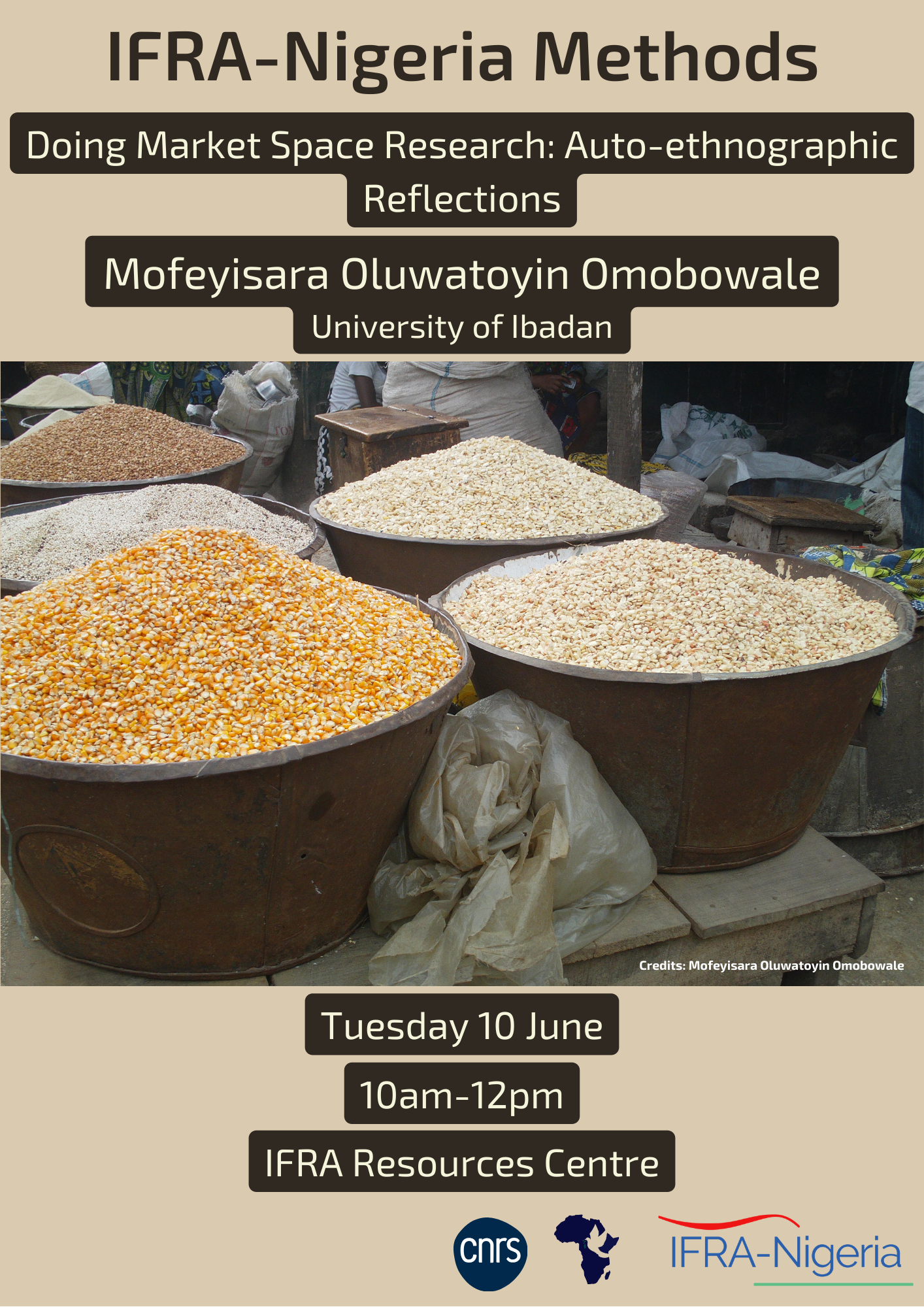
On 10 June 2025, Dr Mofeyisara Oluwatoyin Omobowale held a methodological seminar on "Doing Market Space Research: Auto-ethnographic Reflections" at IFRA-Nigeria Resources Centre. A Senior Research Fellow at the Social and Behavioural Health Unit of Institute of Child Health, College of Medicine at the University of Ibadan, she studies anthropology, public health, gender studies, child and adolescent health. She is a laureate, among other honors, of the American Council of Learned Societies-African Humanities Programme Doctoral Fellow in 2012 and Short Term Scholar, Brown International Advanced Research Institute (BIARI), Brown University (USA) in 2013.
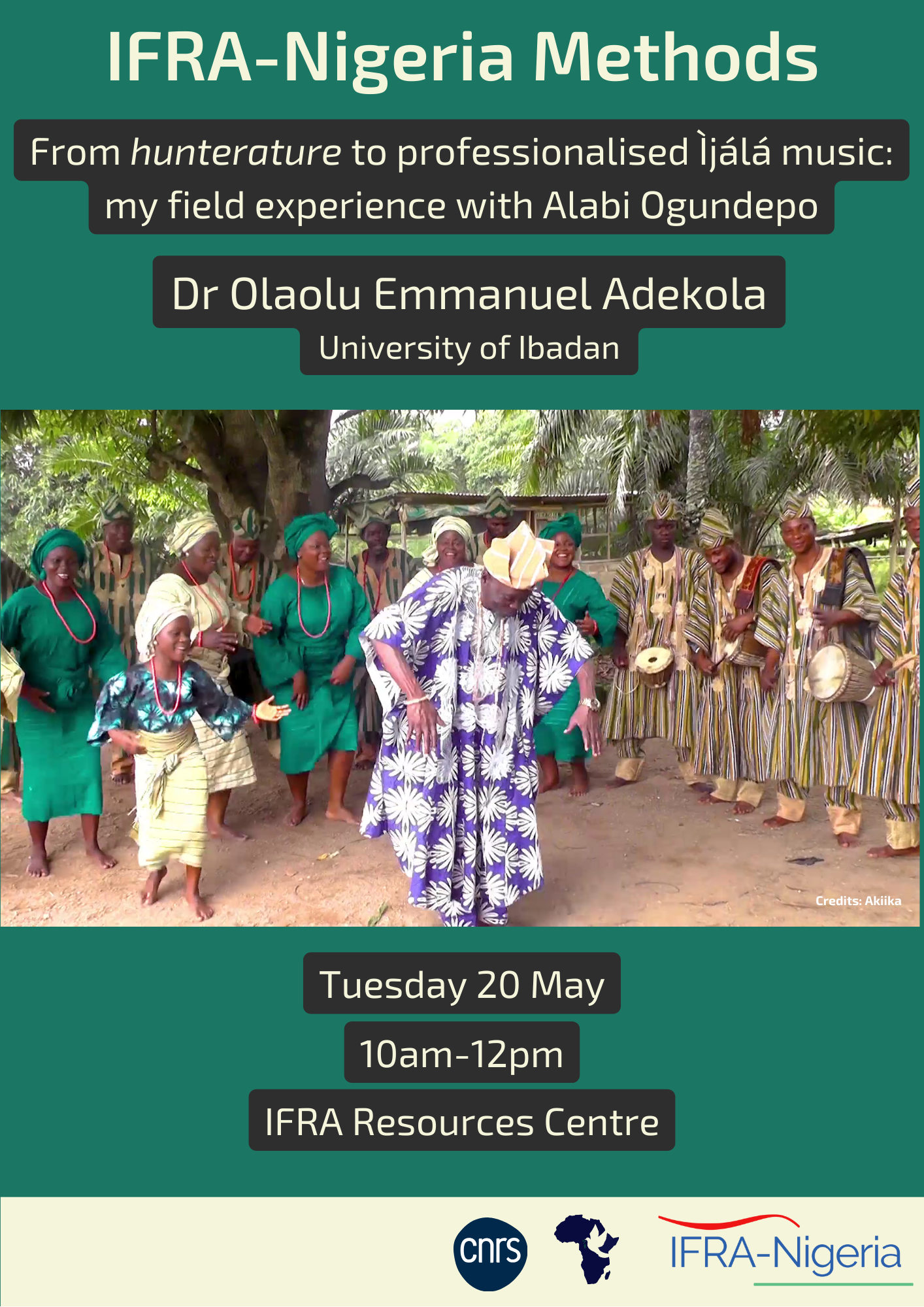
On 20 May, we welcomed Dr Olaolu Emmanuel Adekola, an ethnomusicologist from the University of Ibadan, for a Methodological Seminar on "From hunterature to professionalised Ìjálá music: my field experience with Àlàbí Ògúndépò". Delphine Manetta, IFRA-Nigeria deputy-director, opened the seminar with an introduction of Dr Adekola. A graduate of a Bachelor of Arts from Obafemi Awolowo University, he pursued a Masters of Arts and a Ph.D. in African Musicology at the Institute of African Studies (IAS), University of Ibadan. His topics of research are music education, music migration, agromusicology, and he wrote about Ìjálá and Àgídìgbo music. Today, he is a postgraduate coordinator at the IAS, and also teaches postgraduate students. He is a member of Association of Nigerian Musicologists, Society of Music Educators of Nigeria, and a fellow of Ife Institute of Advanced Studies.
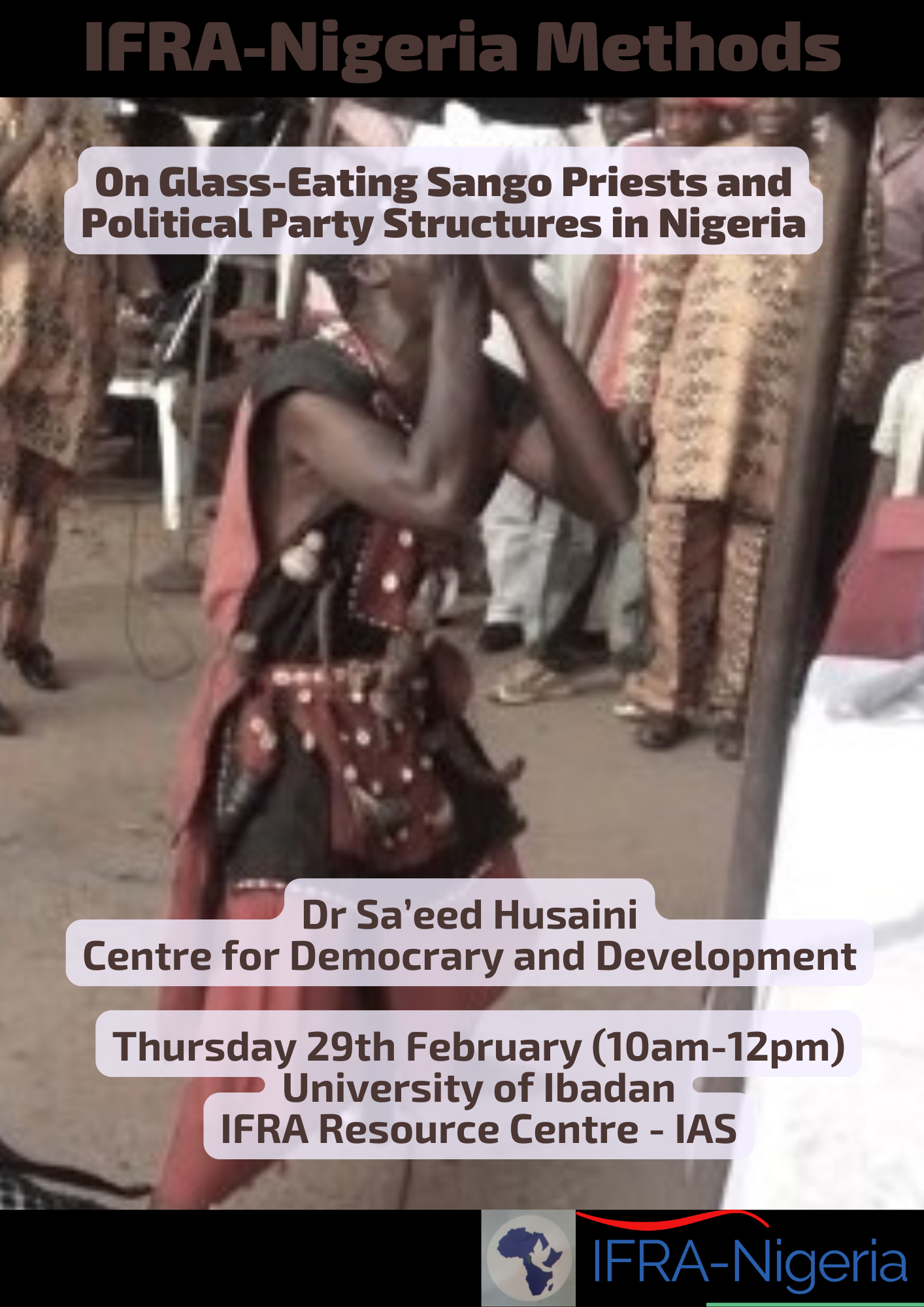
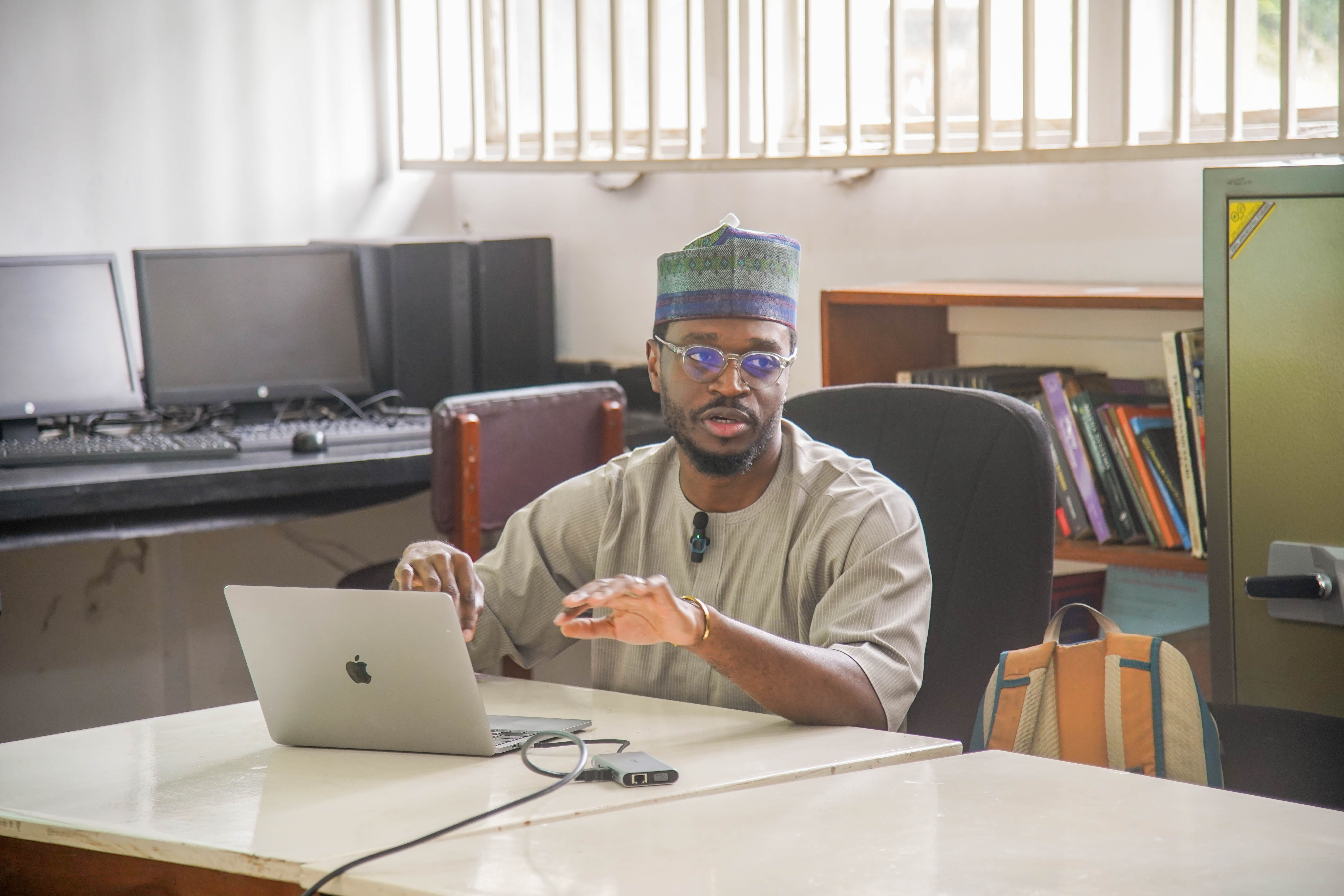 On 15 April, we welcomed Dr Sa'eed Husaini from the Centre for Democracy and Development in Abuja for our latest Methodological Seminar "On glass-eating priests and political party structures in Nigeria". Reflecting on his PhD research in Zaria and most of all Ekiti states, he highlighted how to manage positionality as a researcher in contact with political parties. Describing more specifically his own work, he also encouraged the attendants to question the dominant discourses of academia, which may not be as neutral as it appears.
Scroll below for a full summary of Dr Husaini's presentation.
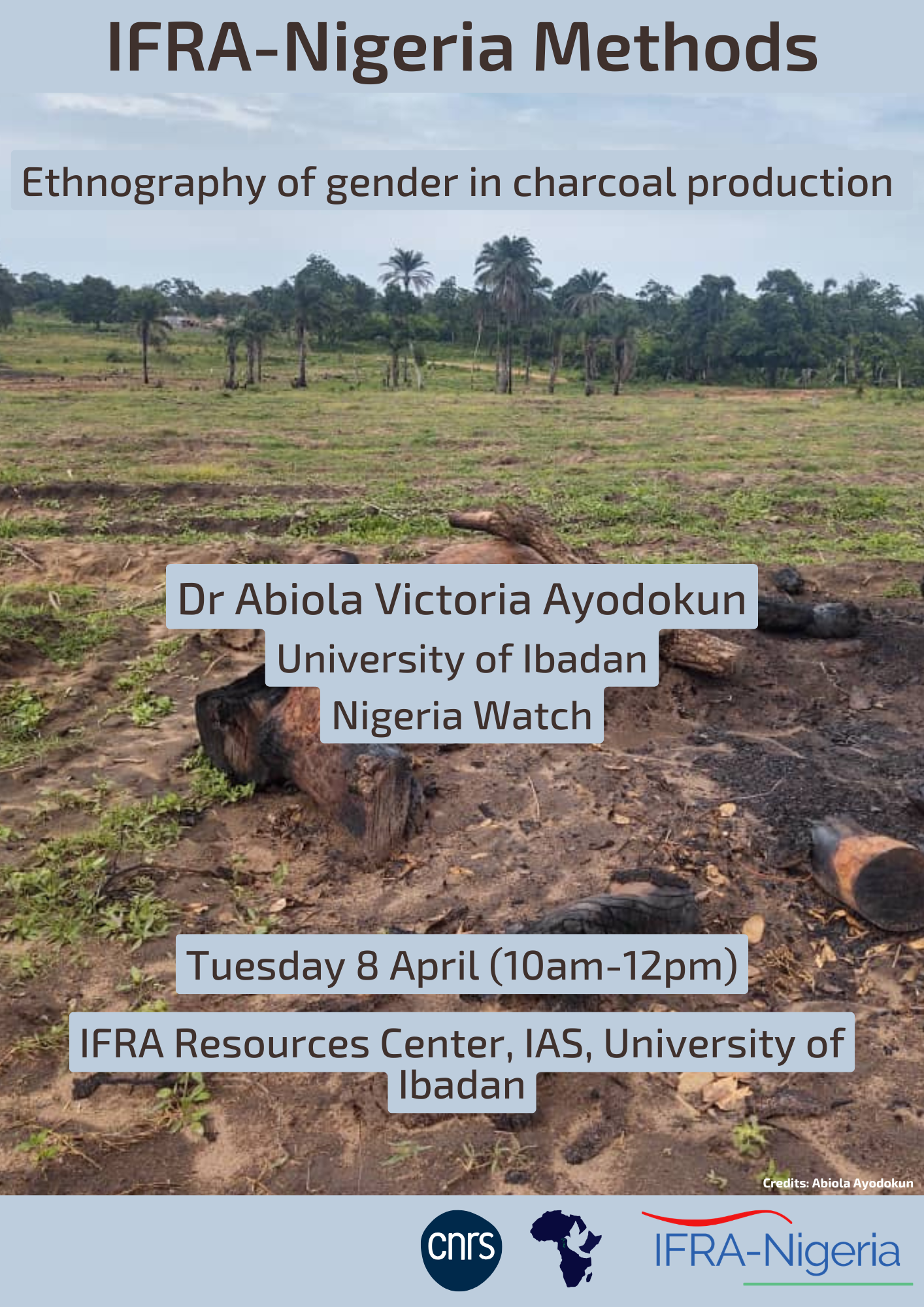
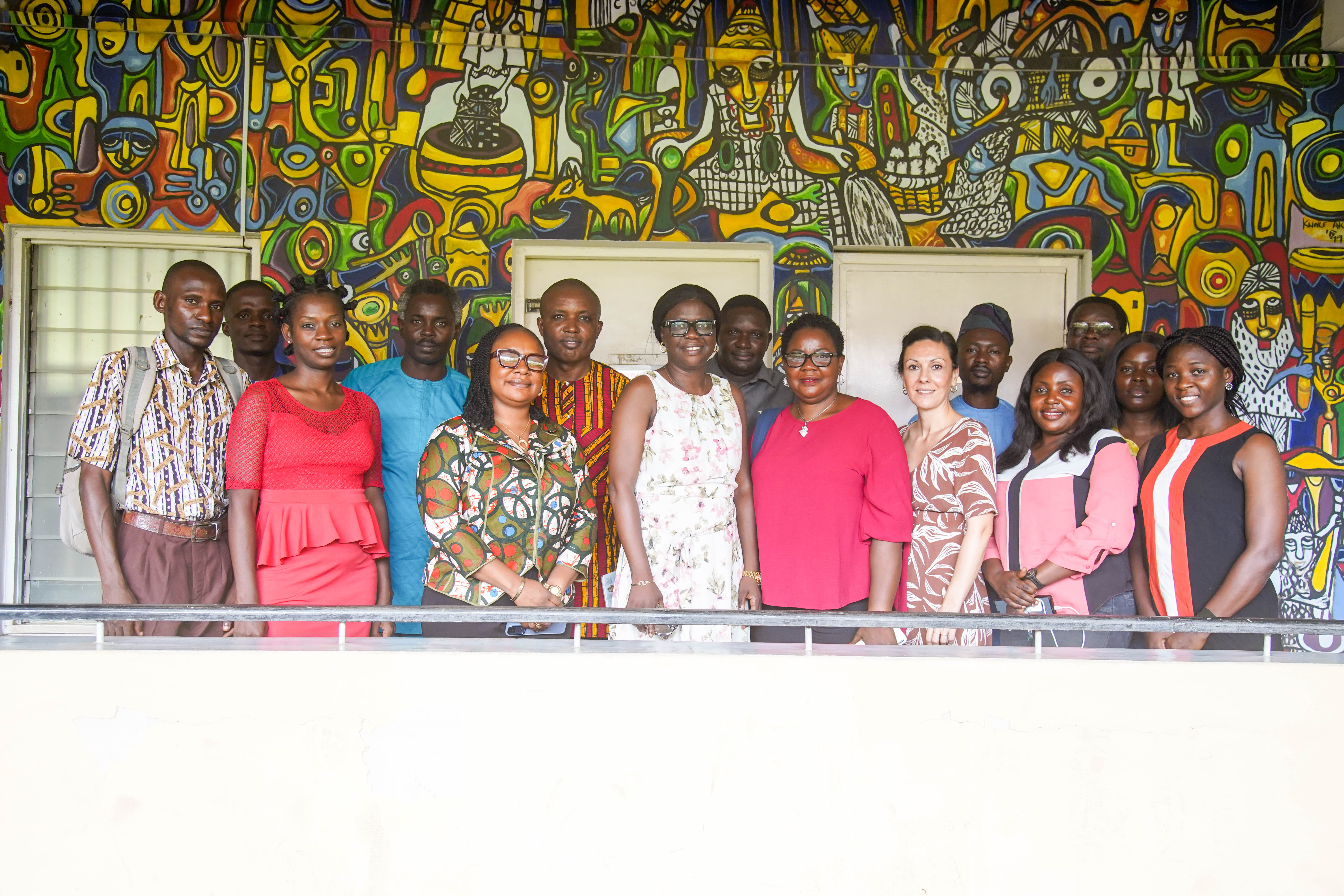 We had the pleasure to welcome Dr Abiola Ayodokun for a Methodological Seminar on 8 April, on the theme "Ethnography of gender in charcoal production". Dr Ayodokun presented the work she carried out for her PhD presentation, and the challenges she had to face to be accepted in the traditional communities she studied. She described how she needed to account for cultural sensitivities, religion and the use of working with a research assistant who could open doors.
This Seminar was a very interactive one, with fellow researchers and students sharing their questions, experiences and opinions on the topic of positionality and how to adapt to different cultural norms. You can scroll to read a full summary of Dr Ayodokun's presentation.
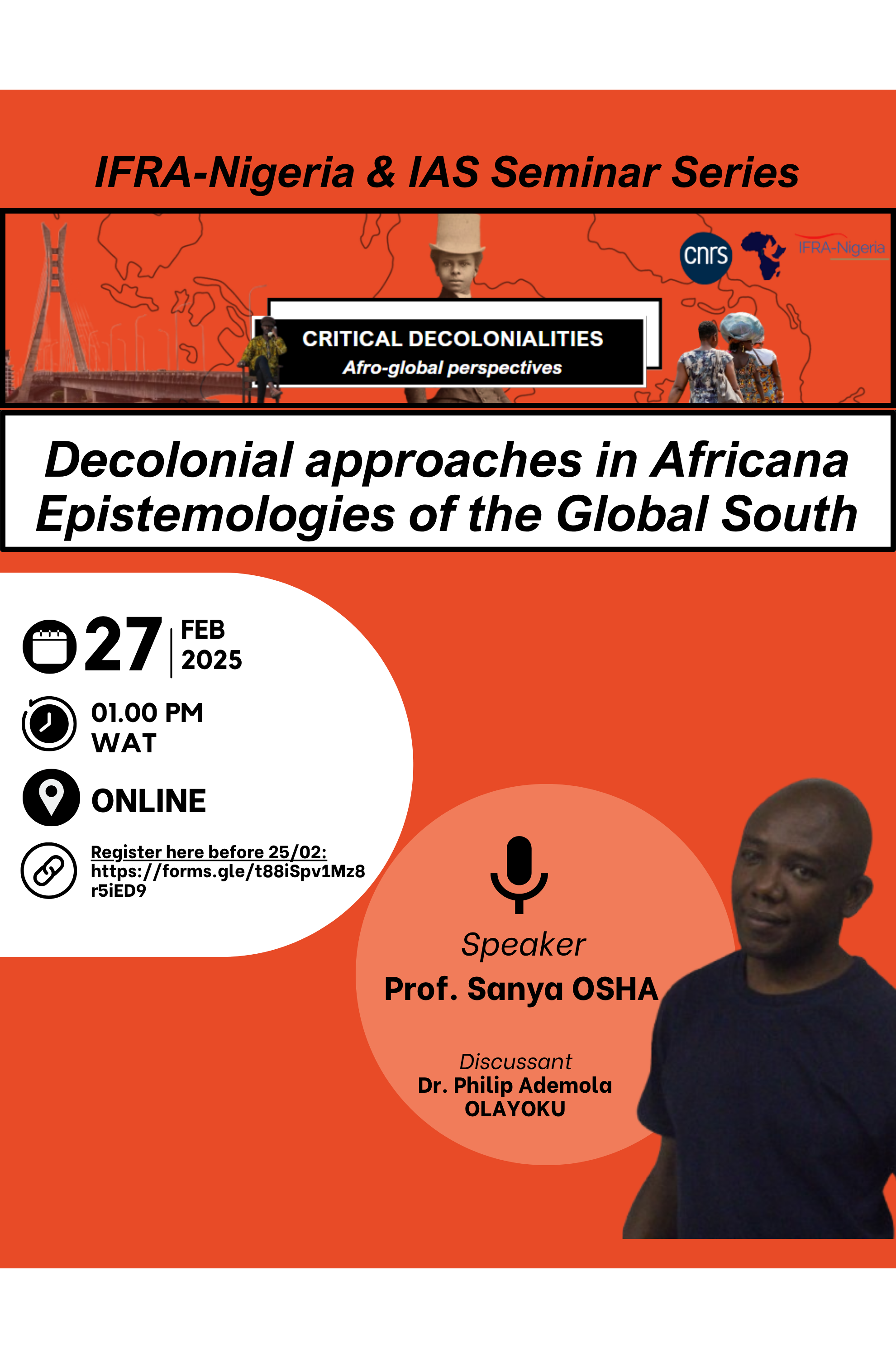
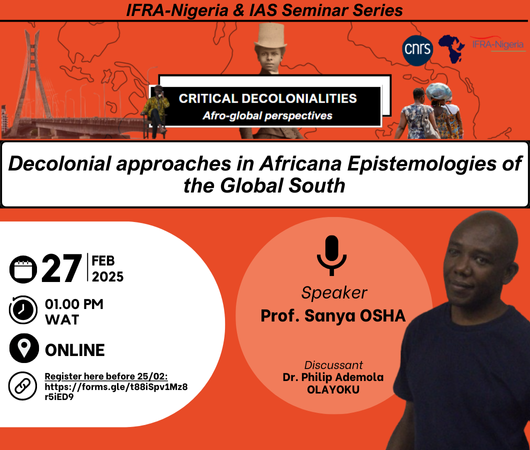 On 27 February, IFRA-Nigeria and IAS were proud to welcome Professor Sanya Osha (African Studies Centre Leiden & ZMO Berlin) and Dr Philip Ademola Olayoku (University of Ibadan) as his discussant for an exploration of the philosophy of decolonialism on the theme "Decolonial approaches in Africana espistemologies of the global South". Prof. Osha presented a historical overview of decolonialism in philosophy, emphasizing its African roots alongside its Latin American development. His discussion centered on three influential African philosophers—Kwasi Wiredu, Paulin Hountondji, and Olabiyi Babalola Yai.
He first talked of Wiredu, who is often regarded as the greatest African philosopher of his generation, and his theory of ‘conceptual decolonization', inspiring comparisons of Western and indigenous philosophies through epistemological and linguistic analysis. His contemporary, Hountondji, was a critic of the relativism of ‘ethnophilosophy' and sought to reconcile universalism with local knowledge through the concept of 'endogenous knowledge.' Finally, Prof. Osha discussed the work of a man he worked with extensively on the UNESCO's epistemological forum project, Olabiyi Babalola Yai. In his final words, he also touched on Afro-Brazilian intellectual traditions shaped by the transatlantic slave trade.
The event concluded with a discussion between Dr Philip Ademola Olayoku and Professor Osha on language, modernity, and power dynamics in decolonialism, followed by a Q&A session on the future of decolonial thought. Click below to read a detailed summary of this seminar!
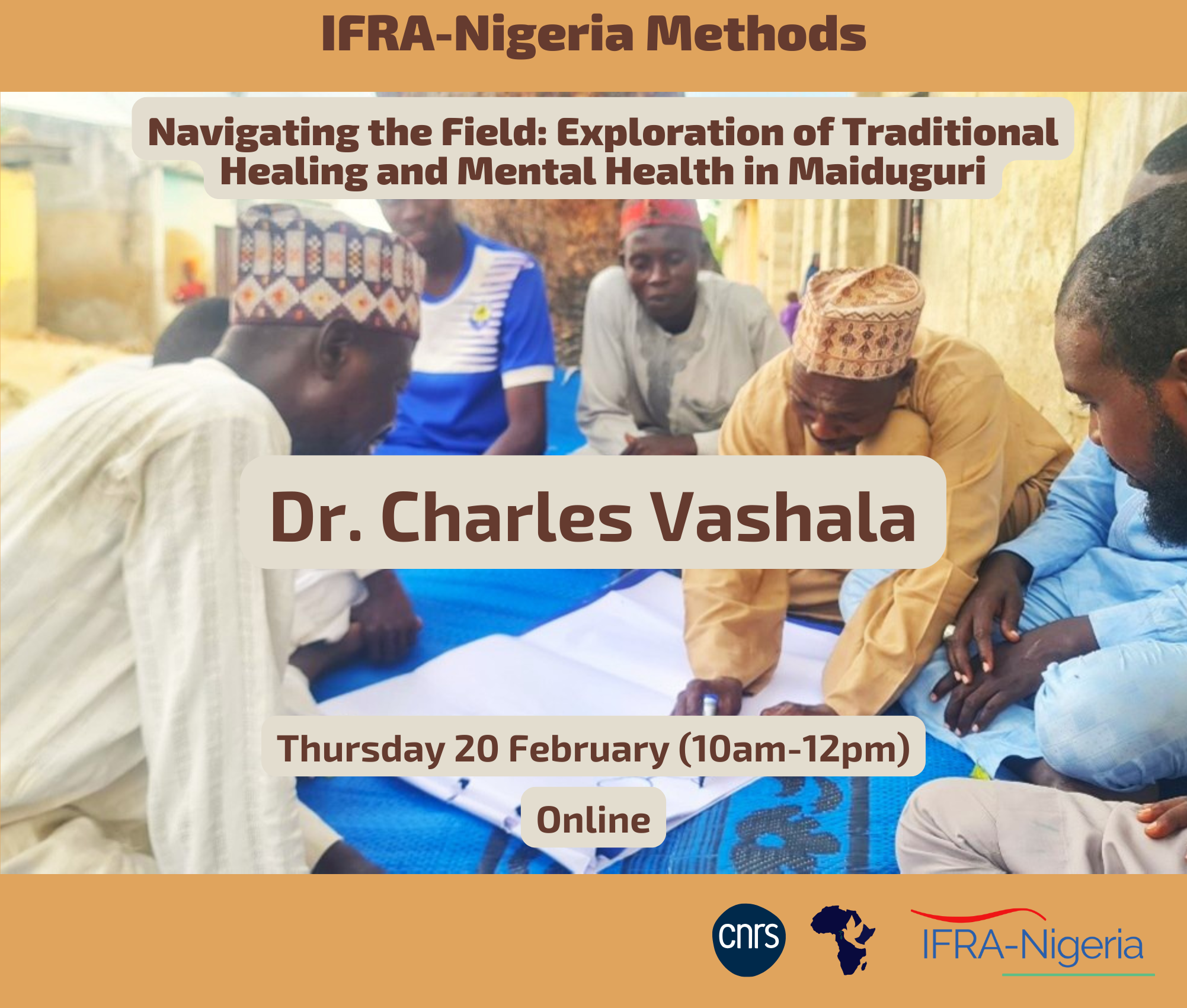
On 20 February, IFRA-Nigeria held a Methodological Seminar with Charles Vashala, researcher at the Center for the Study and Promotion of Cultural Sustainability of the University of Maiduguri and Cotutal doctoral candidate in Maiduguri and at the University of Hildesheim (Germany). He is also the recipient of an IFRA research grant. He presented the innovative methods he used for his research on the "Exploration of Traditional Healing and Mental Health in Maiduguri".
He began his presentation by presenting his research project and his goal to see it being used to bring about better policies on mental health in Borno state. He reflected on the specific challenges of access and trust while conducting research in a dangerous environment. He explained the importance of the use of partners to work around it, and the ethical challenges of needing to adapt to local beliefs and cultural practices. Finally, he explained his innovative methodology : participatory methods through drawing. A Q&A session followed the presentation.
You can find a summary of Mr. Vashala's presentation below!
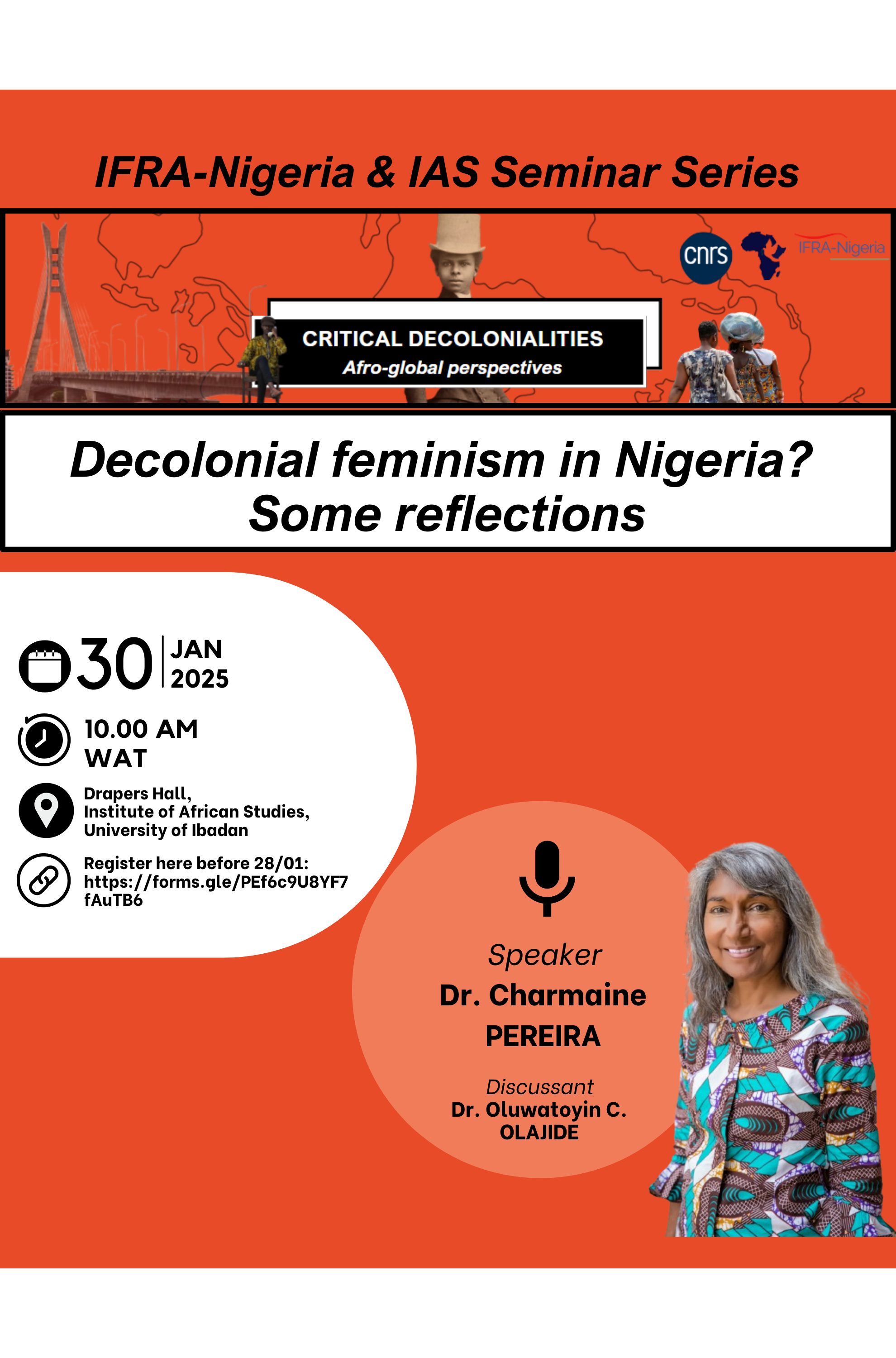
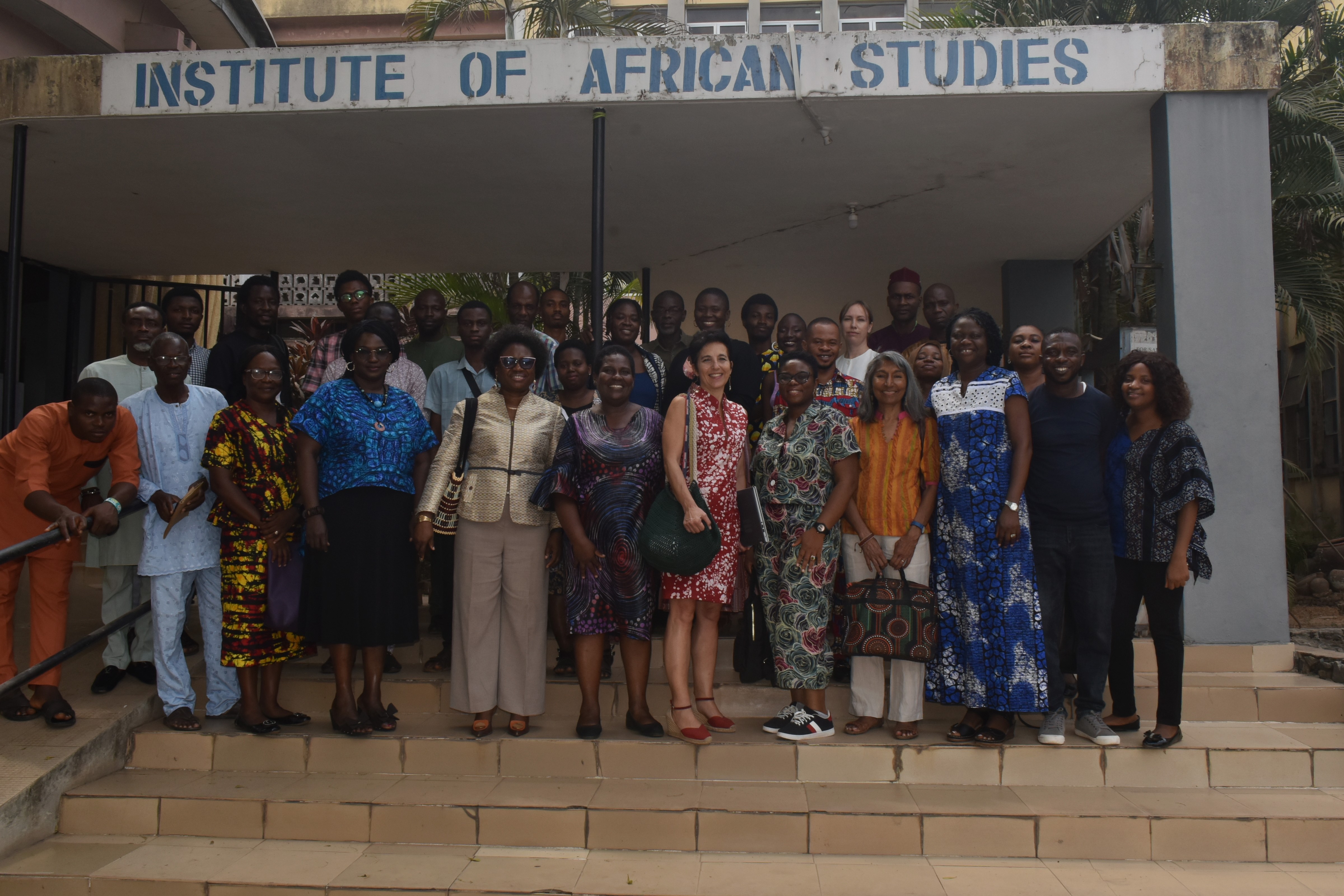 On 30 January, IFRA-Nigeria and the Institute of African Studies (IAS), hosted the first session of their seminar series on “Critical decolonialities”. The event featured Dr Charmaine Pereira, an esteemed feminist scholar based in Abuja, and Dr Oluwatoyin C. Olajide of Obafemi Awolowo University as her discussant. In her presentation, Dr Pereira focused on the general history and issues of decolonial feminism. She described the movement's role in Nigeria, through key figures like Funmilayo Ransome-Kuti and Bolanle Awe. Presenting a thorough review of the topics of feminist knowledge production in Nigeria - Boko Haram, conceptions of gender in pre-colonial societies, contesting State brutality and much more - she raised very interesting and relevant questions regarding modern challenges in Nigeria and the future of decolonial feminism. She concluded by detailing the key institutional spaces where changes can either be made or hindered.
Dr Olajide offered insightful reflections on the presentation, raising a series of questions and comments on fascinating topics like how women’s self-perception is shaped by patriarchy and colonialism, the construction of African gender and sexuality, and the recognition of some forms of domination on women’s bodies even before colonialism. Finally, the in-person and zoom participants had the opportunity to ask questions to our two speakers.
To read a more detailed summary of the event, please click below. The full conference is also available on our Youtube channel.
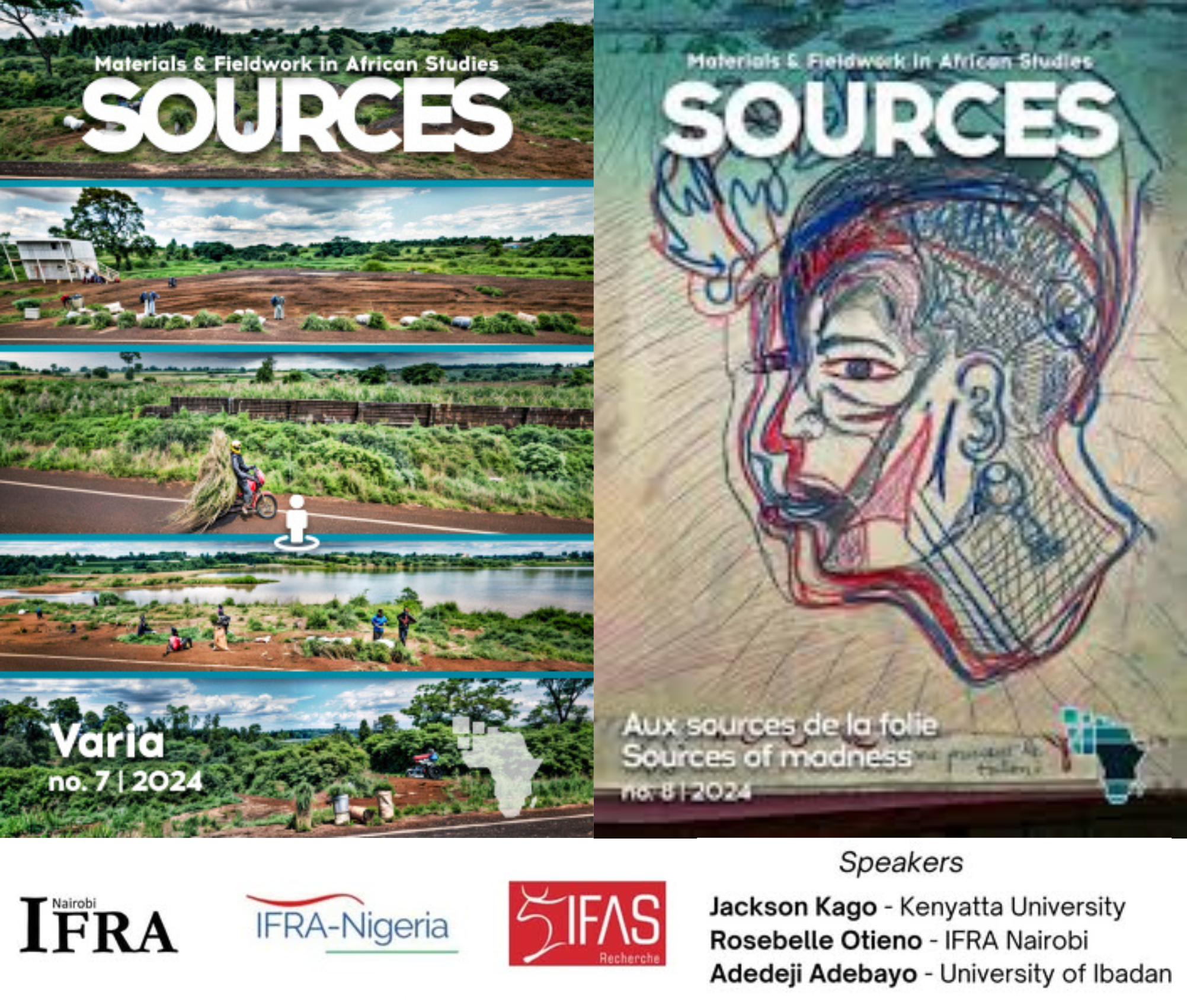
IFRA-Nigeria, IFRA-Nairobi, and IFAS Research were pleased to welcome on 23 January three esteemed collaborators - Dr Jackson Kago, Dr Adedeji Adebayo and Rosebelle Otieno - for a special webinar on the two latest issues of Sources, the free-access, double peer reviewed journal publishing African-based research by African researchers.
Both reflected on the writing of their articles, Dr Kago exploring Google Street View as a research tool and Dr Adebayo on reaching the "out of reach" in the context of his research on women's political participation in south-west Nigeria. They not only provided interesting insights on their research methods, but also practical tips for any researchers looking to publish. As for Rosebelle Otieno, she offered concrete advice on producing quality articles, based on her extensive experience in the academic publishing world. You will find a summary of this insightful webinar below.
If you're interested in learning more about Dr Kago, Dr Adebayo or Sources' work, you can find their articles as well as the journal's publication guidelines on Sources' website
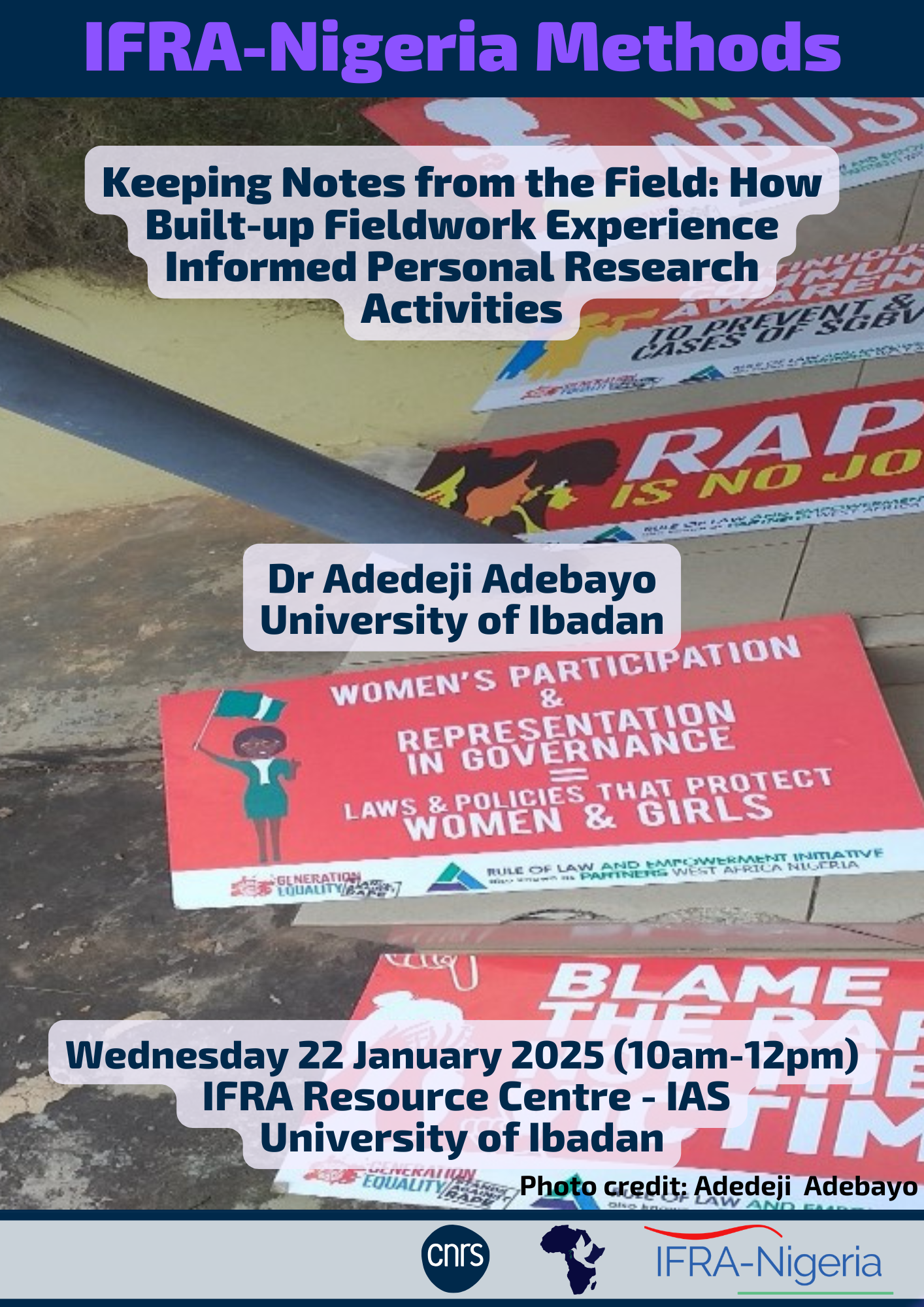
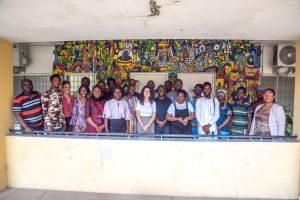 IFRA-Nigeria had the pleasure to welcome Adedeji Adebayo on 22 January, for our first Methodological Seminar of 2025. IFRA-Nigeria director, Dr Barbara Morovich, introduced Dr Adebayo, a trusted junior research associate of IFRA-Nigeria's Elections Observatory. Dr Adebayo obtained his PhD from the Peace and Conflict Department of the University of Ibadan.
During the course of his insightful presentation, he reflected on his experiences as a field or research assistant before his doctorate, and the benefit he gained from them. He argued that this allowed him to become familiar with new ways of doing research, acquire new skills and build a network of trusted researchers that continues to be very beneficial in his own work today. You will find a summary of his intervention below.
Moreover, if you're interested in learning more about Dr Adebayo's work, click here "Getting in Touch with the Out of Reach: Fieldwork Strategies in Research on Women and Politics (South-West of Nigeria)" to read his article in Sources issue n°7 "Varia".
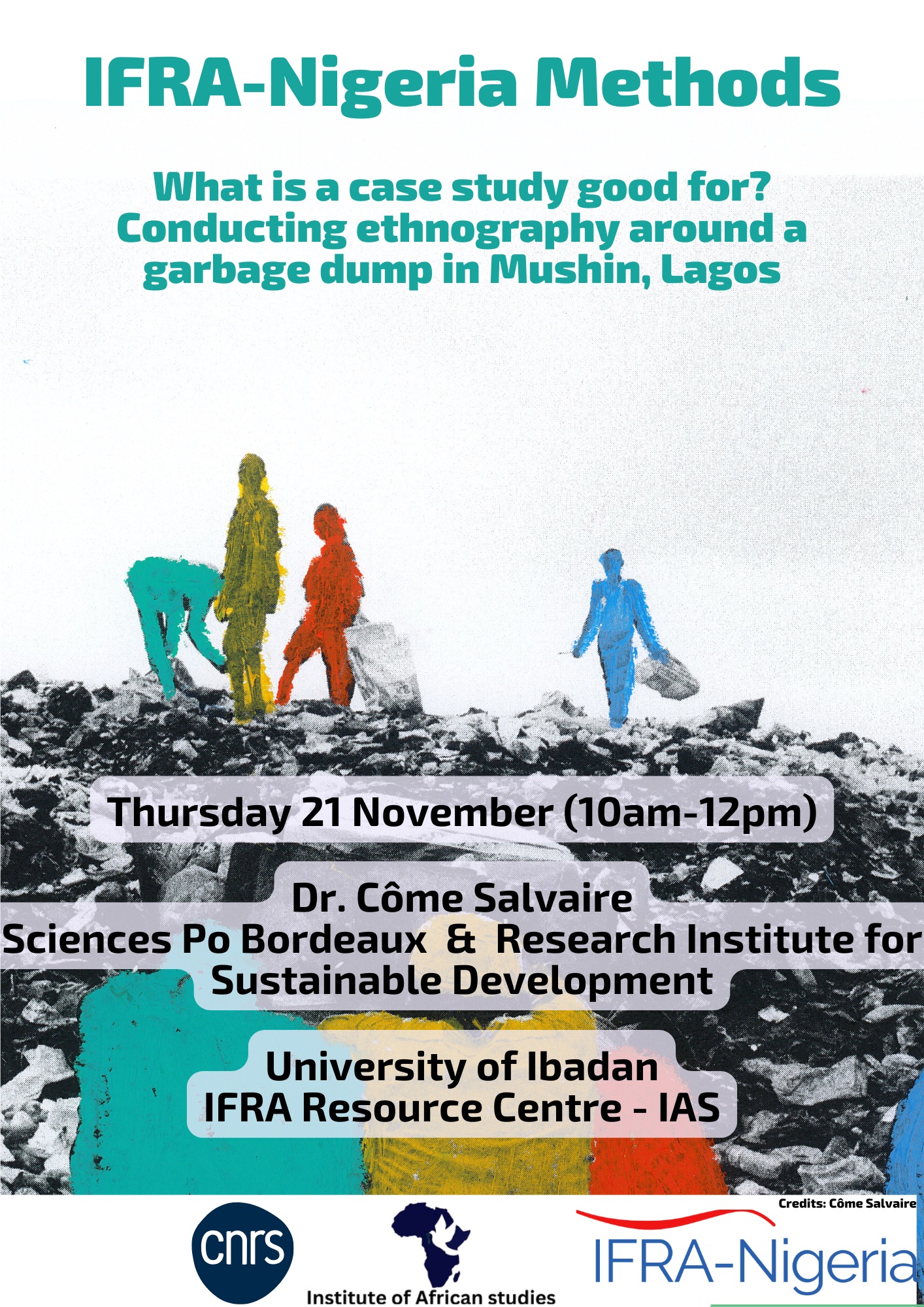
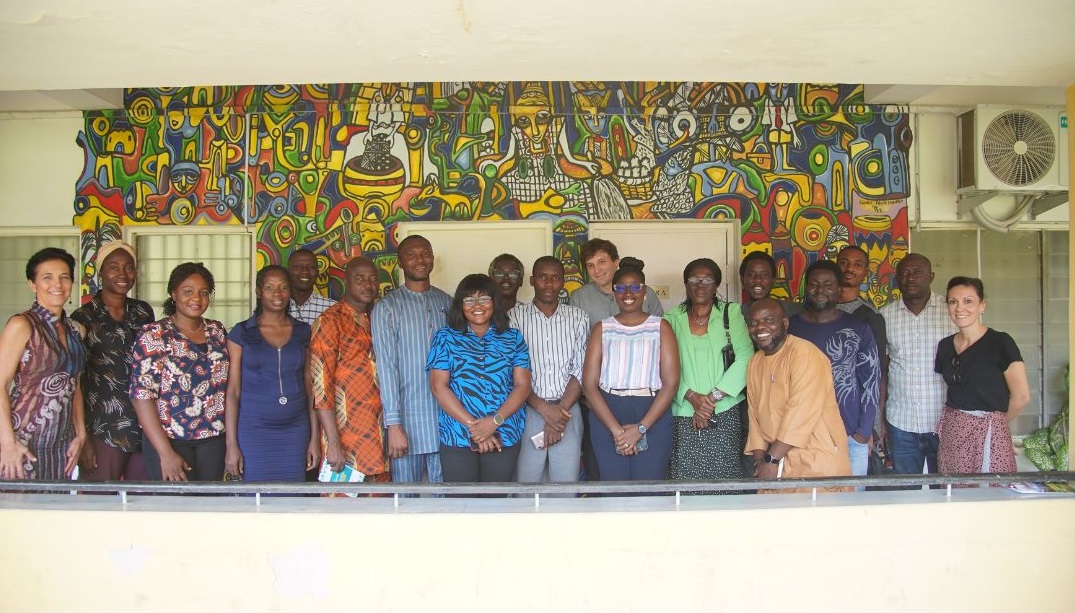 On 21 November 2024, Dr. Côme Salvaire, a researcher at Sciences Po Bordeaux & Research Institute for Sustainable Development, presented a methodological seminar titled: “What is a Case Study Good for?”, illustrating the logic of case study research with the results of an ethnographic study conducted from 2015 to 2024 around a garbage dump in Mushin, Lagos.
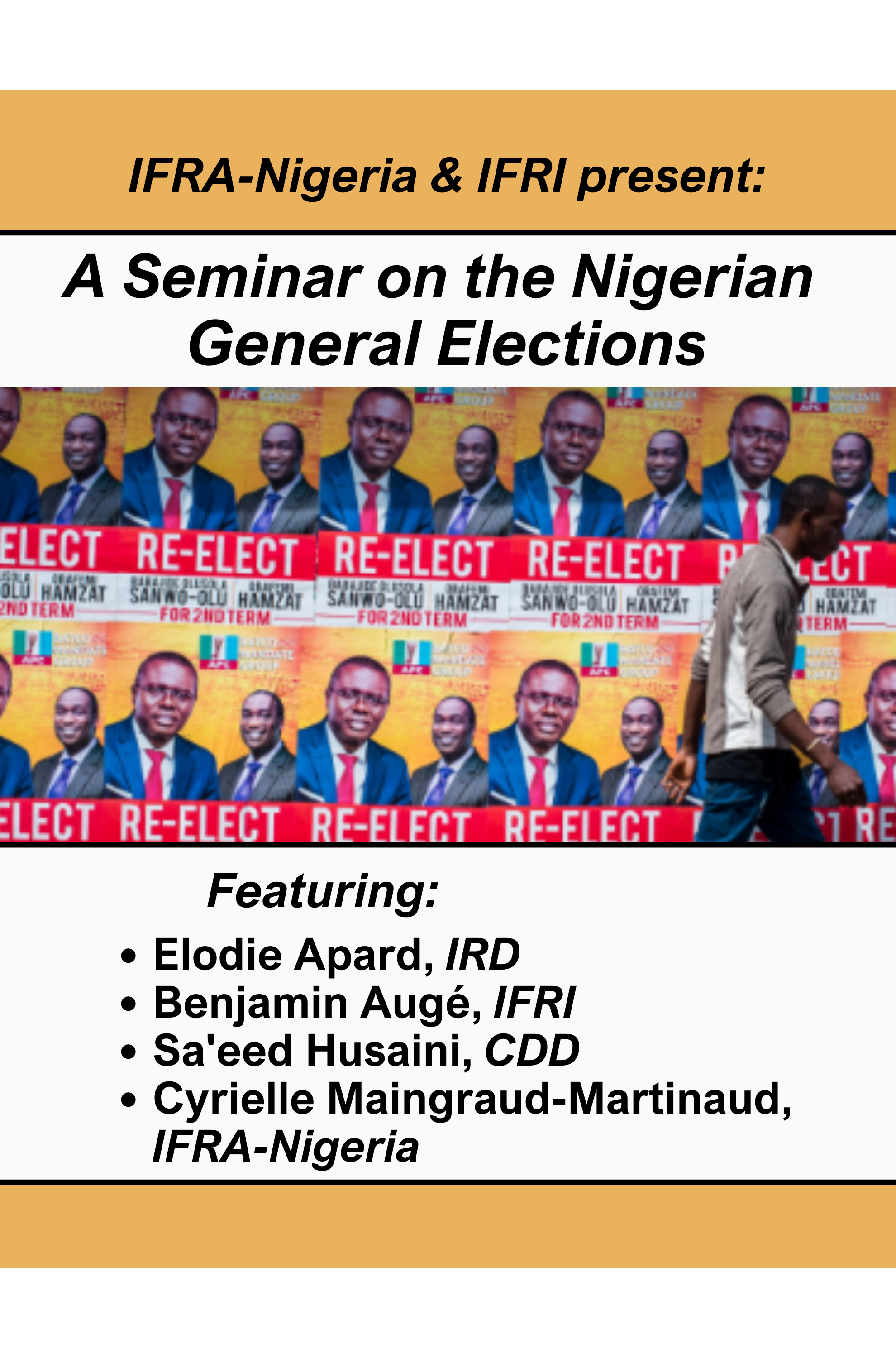
 On the 16th of March 2023, IFRA-Nigeria and the French institute of international relations (IFRI) co-organised an online seminar on the Nigerian general elections featuring Elodie Apard, Research Officer, IRD, Benjamin Augé, Research Associate, IFRI; Sa'eed Husaini, Research, Center for Democracy and Development, Abuja; Cyrielle Maingraud-Martinaud, Deputy Director, IFRA-Ibadan. The debate was moderated by Alain Antil, Director of the Sub-Saharan Africa Center, Ifri and Barbara Morovich, Director, IFRA-Ibadan.
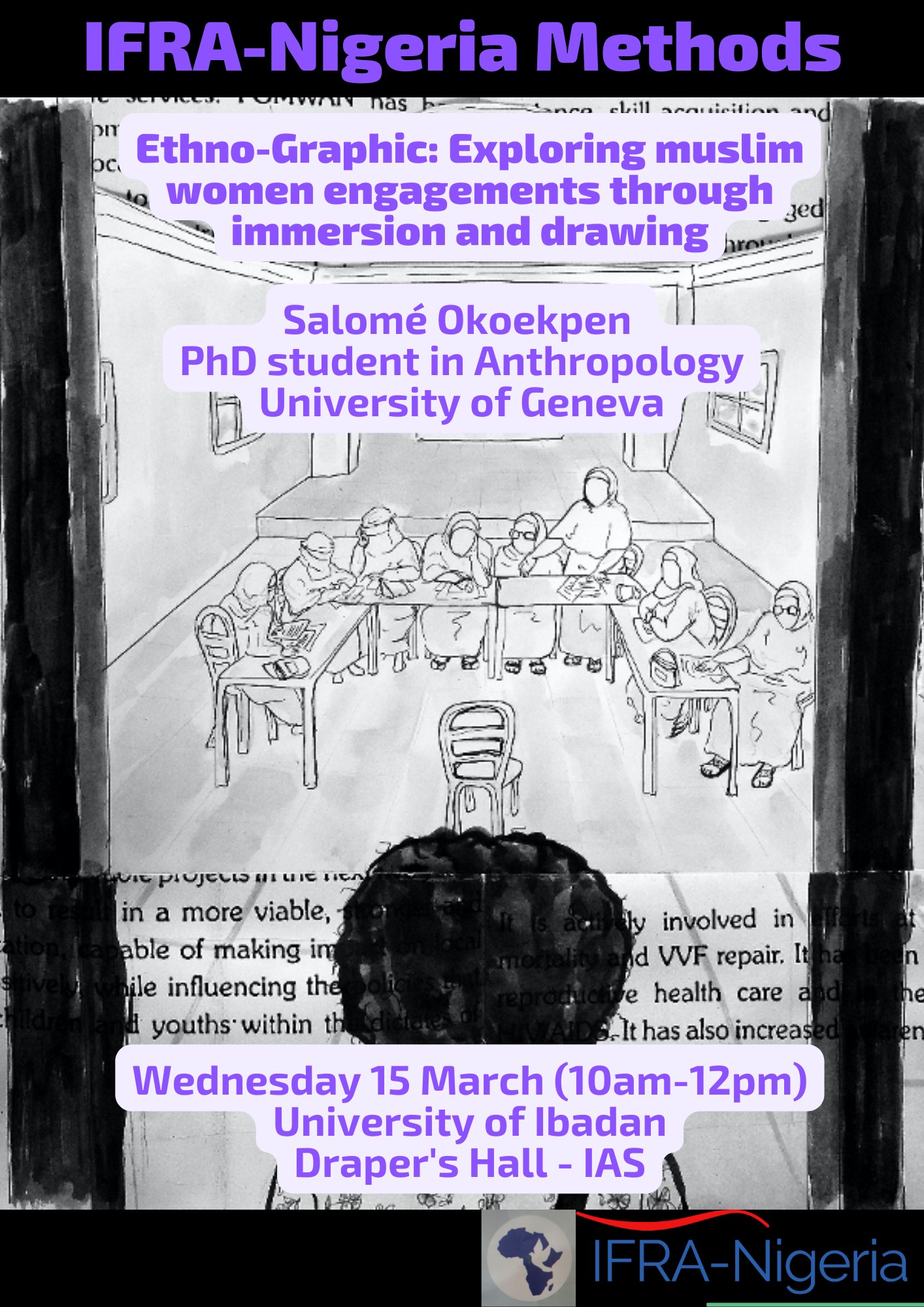
On the 15th of March, Salomé Okoekpen, PhD student in Anthropology at the University of Geneva, presented her methods and her fieldwork to fifteen master and PhD students during a methodological seminar at the university of Ibadan.
Salomé Okoekpen explores Muslim women's engagement in rural towns of Oyo State looking at their organisational and associative practices. She is most interested in their lived experience, on how they perceive and interpret their actions and religiosity. The methodology deployed by Salomé Okoekpen blends ethnographic and artistic approaches such as drawing, sound recordings, and photography. Drawing serves as a tool for immersion and engagement, positioning and reflexivity, and personal reflection and expression. It is also a medium that allow for the engagement of a wider, non-academical, audience.
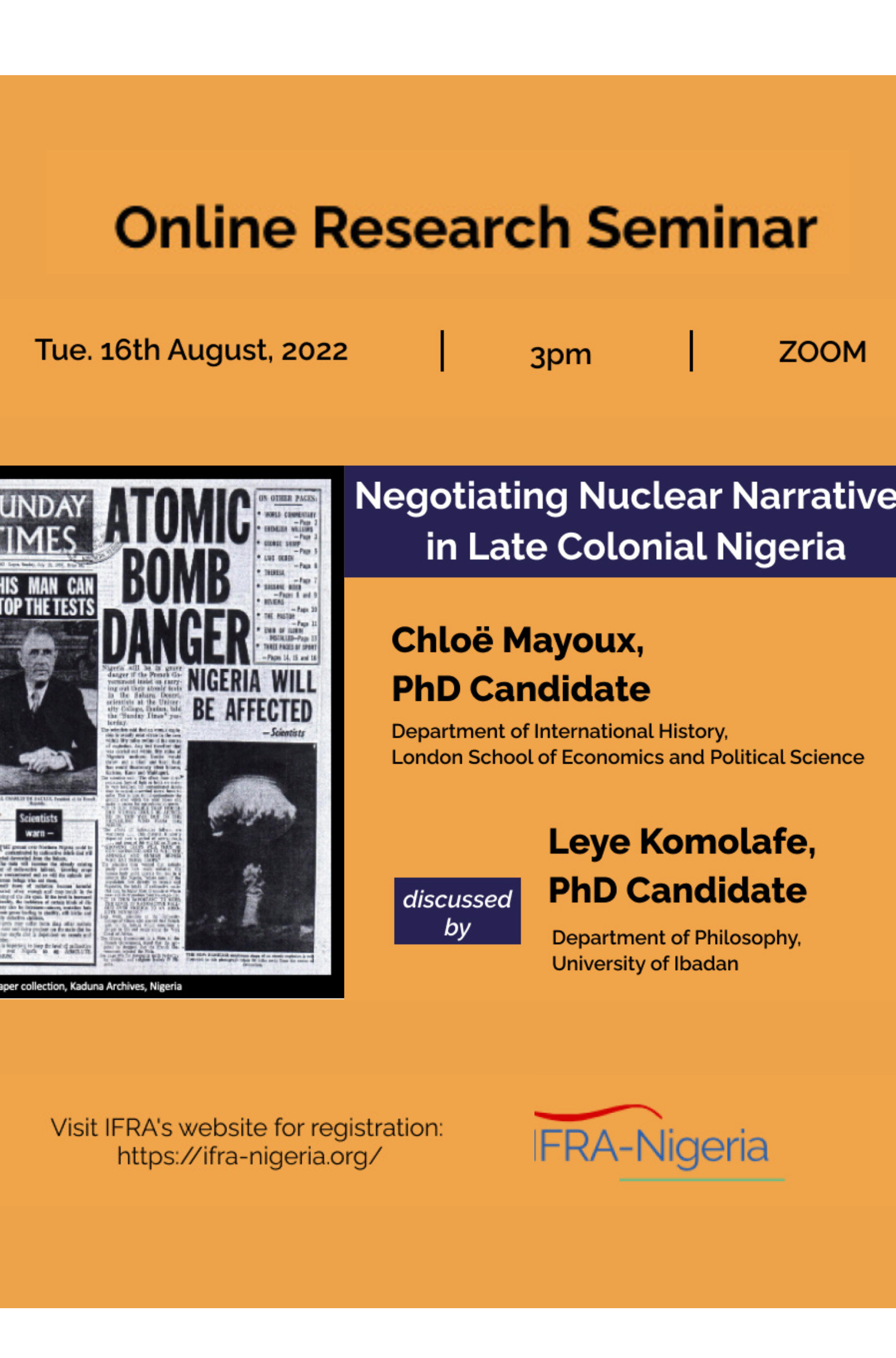
 IFRA-Nigeria organizes a talk with Chloë Mayoux, PhD Canditate from the Department of International History, London School of Economics and Political Science, on the theme: “Negotiating Nuclear Narratives in Late Colonial Nigeria”. The event took place on Tuesday 16th August at 3pm (WAT, Lagos) on Zoom.
Her paper was discussed by Leye Komolafe, PhD Candidate from the Department of Philosophy, University of Ibadan.