
Guest Lecture and Roundtable Discussion "A spotlight on cultural venues and accessibility for people with disability"
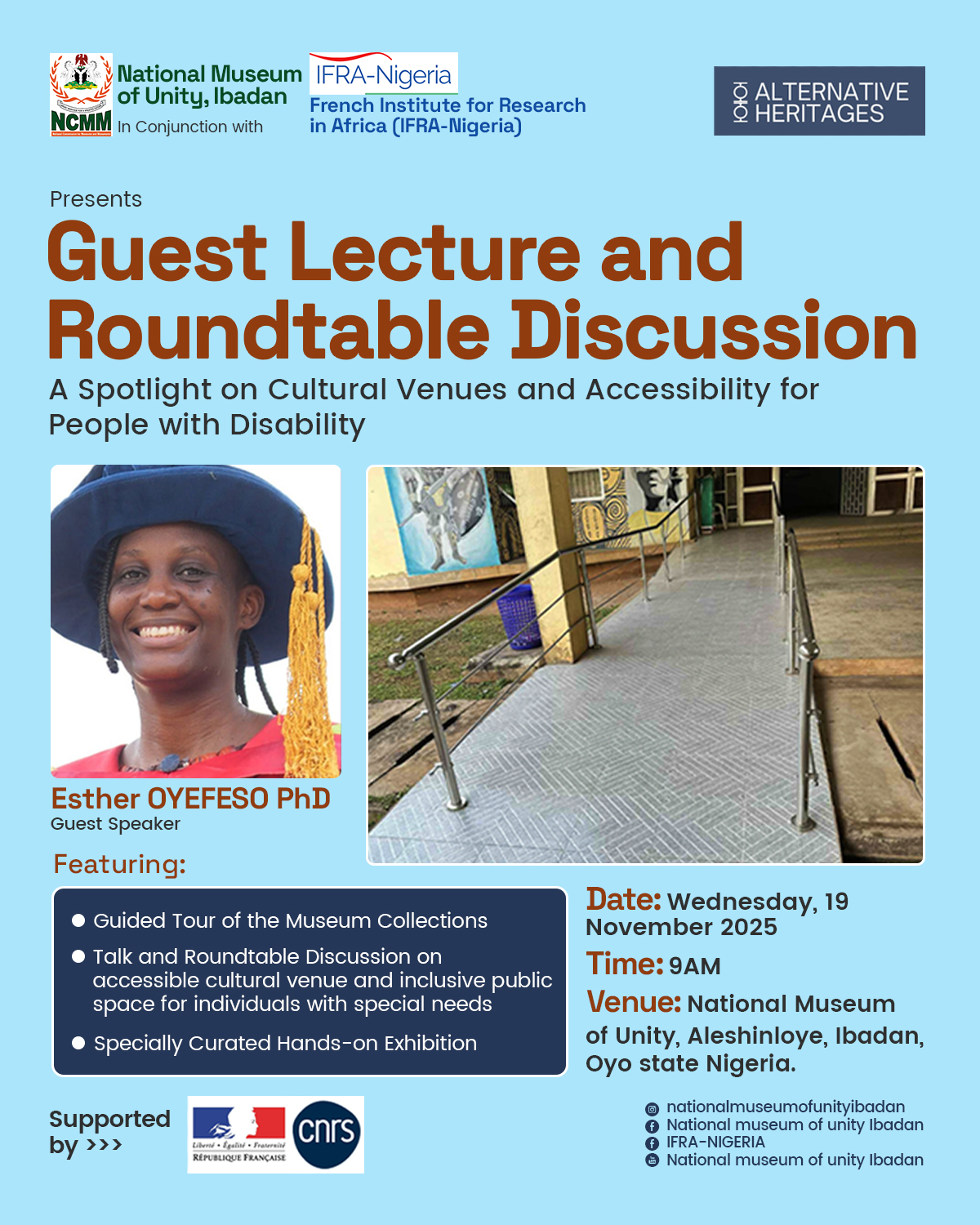 On Wednesday, November 19, 2025, we proudly hosted our inaugural event of the second year in partnership with the National Museum of Unity in Ibadan. This 3-in-1 event featured a guest lecture, a roundtable discussion, and a hands-on exhibition, all centred around the theme "Accessible and Inclusive Public Spaces." Our goal was to spotlight the significance of cultural venues and the specific needs of individuals with disabilities in participating in cultural experiences.
This event is part of our Nigerian Alternative Archives project, made possible by the French Embassy Fund.
We acknowledge that inclusive spaces are pivotal for empowering people with disabilities to fully participate in daily activities and engage actively in community life, and that accessibility transcends mere physical modifications; it involves cultivating environments that foster a sense of belonging and empowerment for all.
We prepared a thoughtfully designed inclusive space that considers wheelchair accessibility, auditory and visual aids, and sensory-friendly features.
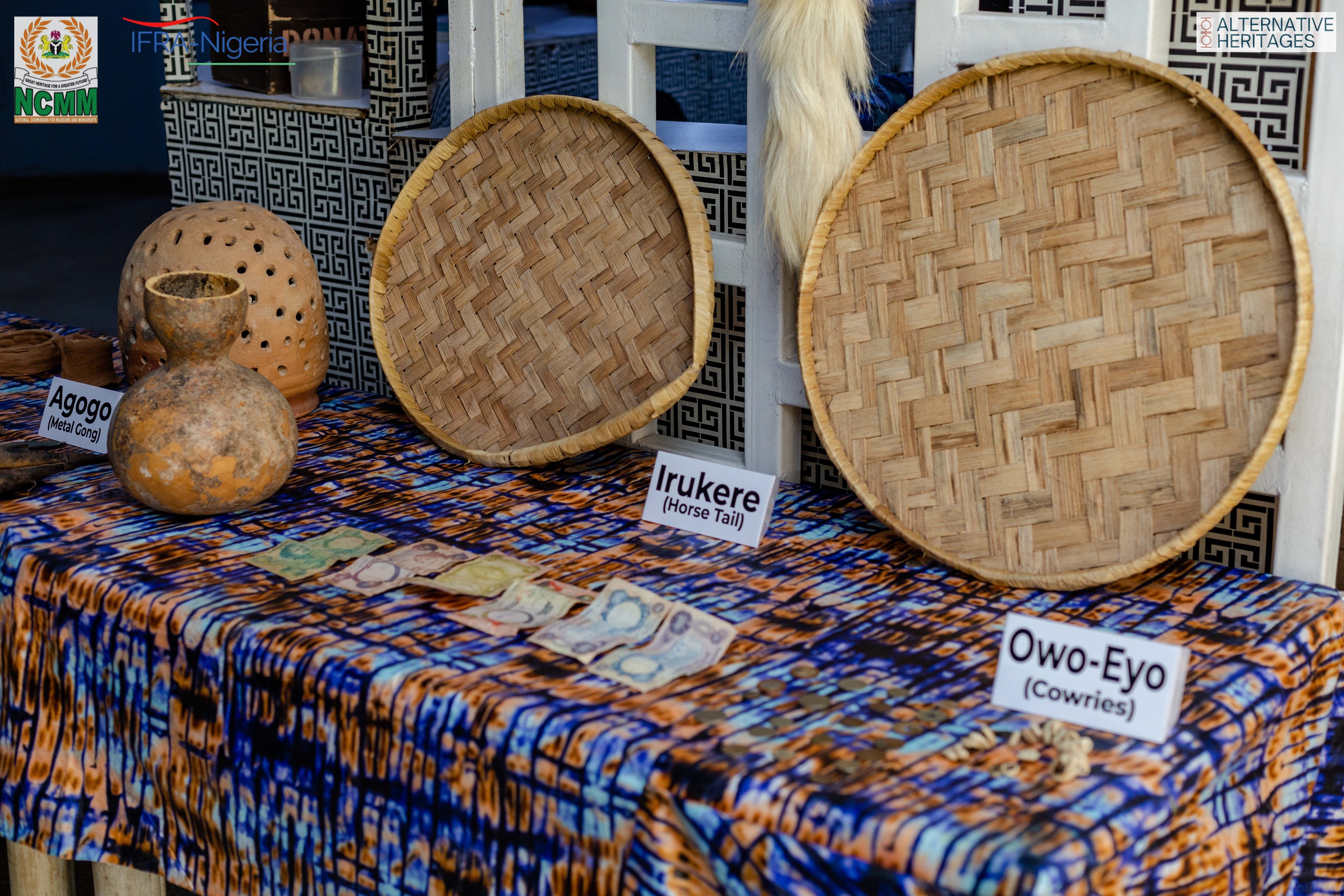
Part of the sensory exhibition organised by the Museum of Unity
For the guest lecture, Dr Esther Oyefeso from the University of Ibadan's Department of Special Education presented a compelling talk titled "Nothing About Us Without Us." She stressed the need to create accessible, inclusive public spaces that cater to individuals with diverse needs. According to her, accessible environments include physical structures designed to accommodate everyone, while inclusive spaces require supportive staff and calming atmospheres. A central theme of her presentation was the importance of dismantling social barriers to enhance accessibility, highlighting the urgent need for inclusive educational institutions, workplaces, and services, including voice banking and braille forms in financial institutions.
Dr Oyefeso emphasised that the principle of "Nothing About Us Without Us" advocates for the active involvement of individuals with disabilities in the planning of public spaces. This perspective includes people facing various challenges, including physical, intellectual, visual, hearing, mental health, and neurological disabilities. Examples she shared included hospital ramps, braille signage, sign language interpreters, and accessible transportation options.
The main highlight of the event was the roundtable discussion, which enriched the dialogue around the importance of accessible and inclusive public spaces. Moderated by Ms Adejoke Rafiat Adetoro, the Project Coordinator, the discussion featured educators from four special education centres in Ibadan who are individuals with diverse abilities themselves. The discussants shared their experiences of the obstacles they face in accessing public spaces, including architectural barriers and social stigmatisation that often hinder employment and participation in community activities. They advocated for the provision of essential information for individuals with special needs, illustrated by the organisers' commitment to creating braille labels for exhibited objects, providing sign language interpreters for those with hearing impairments, and ensuring ramp access for individuals with mobility challenges.
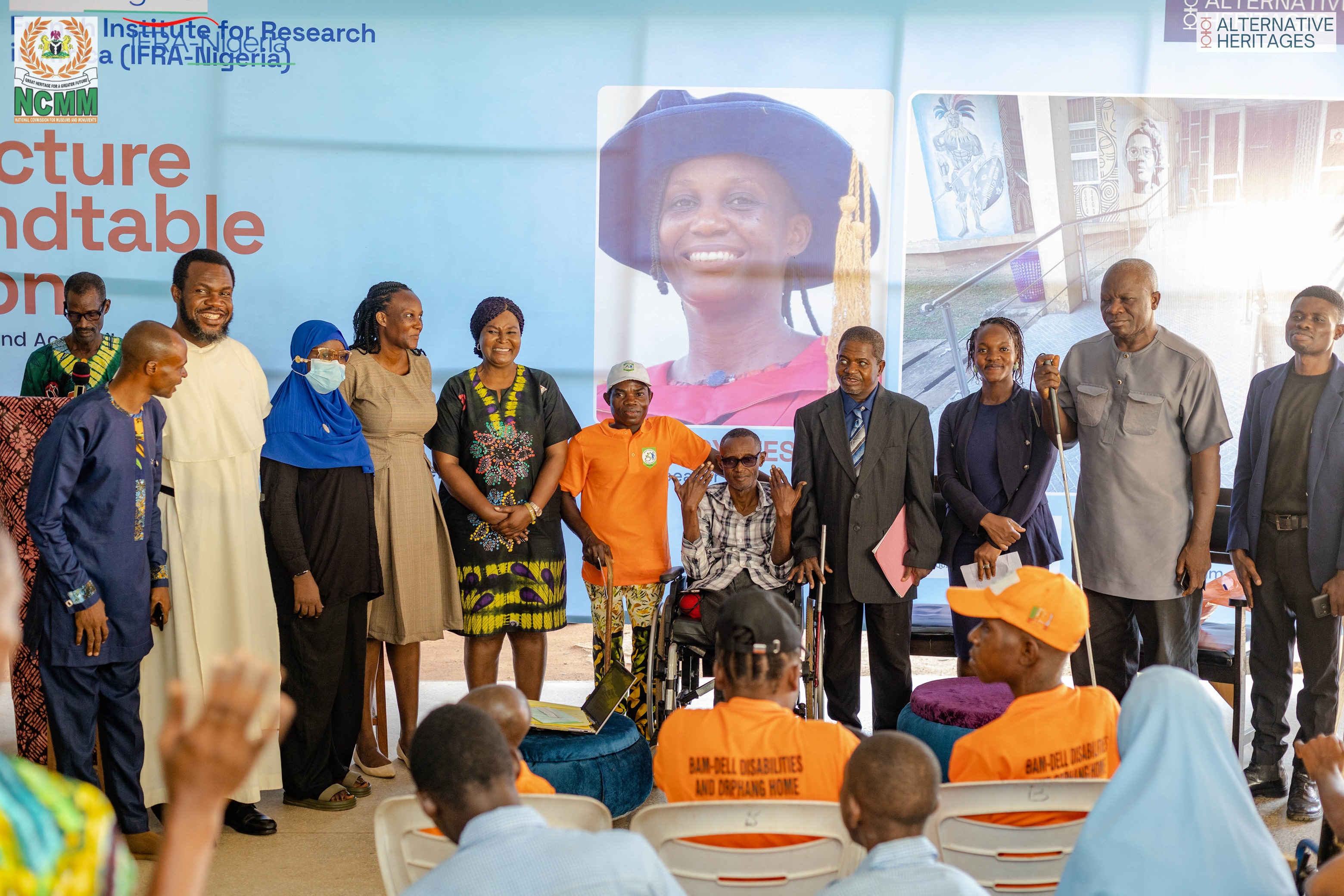
Speakers, panelists and organisers of the event
One young student with a hearing impairment suggested that promoting inclusivity should also incorporate technological advancements, such as speech-to-text features, designed with the specific needs of individuals like her in mind. The discussants addressed the stigma surrounding various disabilities and urged the public to seek information on how to support individuals with disabilities. Additionally, they emphasised the importance of interpersonal skills for people with disabilities, as these are crucial for fostering a supportive environment where help can be offered when needed.
The museum, on its part, organised a special exhibition of cultural artefacts, offering replicas where appropriate, allowing participants to touch the items while learning from the museum's education officers.
The event enabled a friendly atmosphere where valuable conversations took place, leading to practical ideas for making public spaces more accessible and inclusive for all.
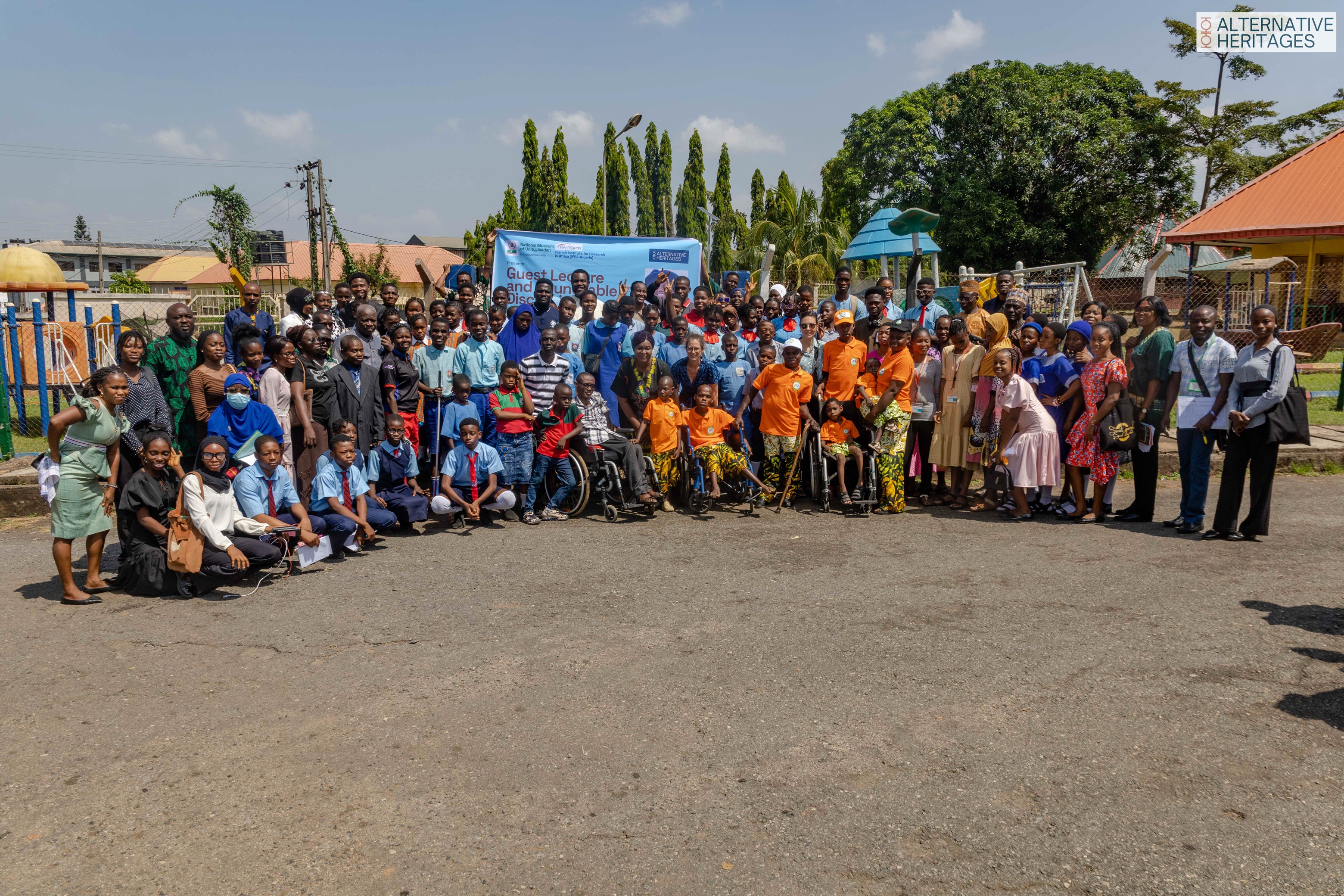
Group pictures of participants to the event
Tags: heritage
Social Media
Mailing List