
 Institut Français de Recherche en Afrique (French Institute for Research in Africa Institute of African Studies, University of Ibadan), IFRA-Nigeria, invites consultants based in Nigeria to apply for the opportunity to undertake an evaluation exercise on a digitization project, halfway between research, arts and actions, which has run between 2022 and 2024. This project has been funded by a grant called Fonds de Solidarité pour les Projects Innovant (FSPI) from the Embassy of France in Nigeria.
The project focus and theme are Digital technology at the service of Nigerian heritage: for protection, training and dissemination. To achieve the main objectives of the project, IFRA-Nigeria management divided the project into five different components. First, the aim was to reflect the diversity of Nigeria's cultural, social and historical heritage. Secondly, it was to put the everyday implementation of the project in the hands of Nigerian institutions and people. The management engaged with non-governmental organizations, government Institutions, and organizations that work in synergy to manage each of the components.
 On the 1st of March, following a research trip in South Africa, Barbara Morovich participated in a conversation with Judith Hayem held at
 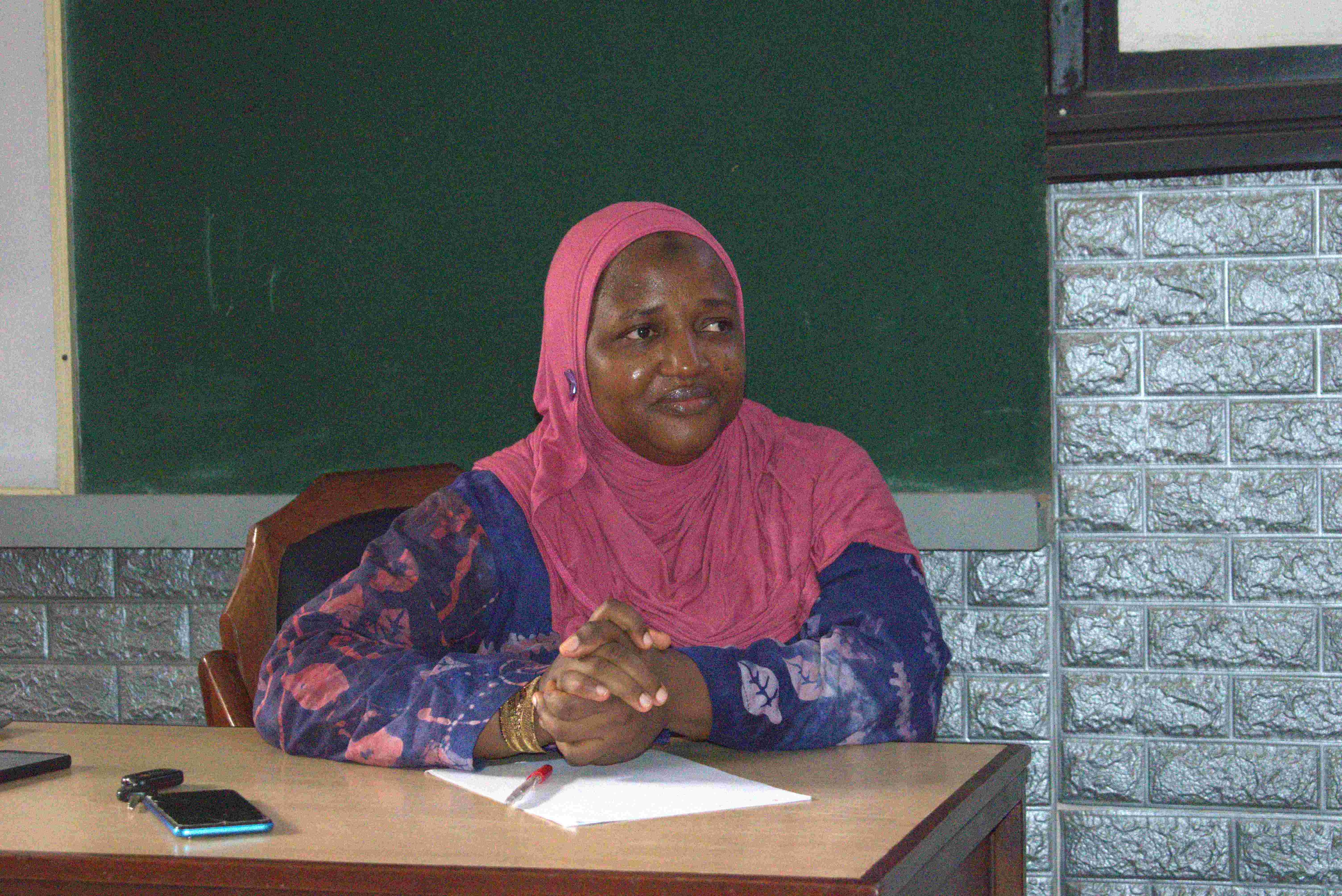 On the 28th of February, Mutiat Dr Titilope Oladejo, in a conversation with Dr Seun Olutayo, presented her recent work on the role of women in the textile industry in Nigeria and The Gambia since the thirties. Dr Oladejo’s work is derived from fieldwork from Nigeria and The Gambia, where she tried to understand the textile industry in indigenous and modern forms through oral interviews, ethnographic work, and field observations. Specifically, Dr Oladejo presentation focused on her work in southwest Nigeria and Latrikunda in The Gambia.
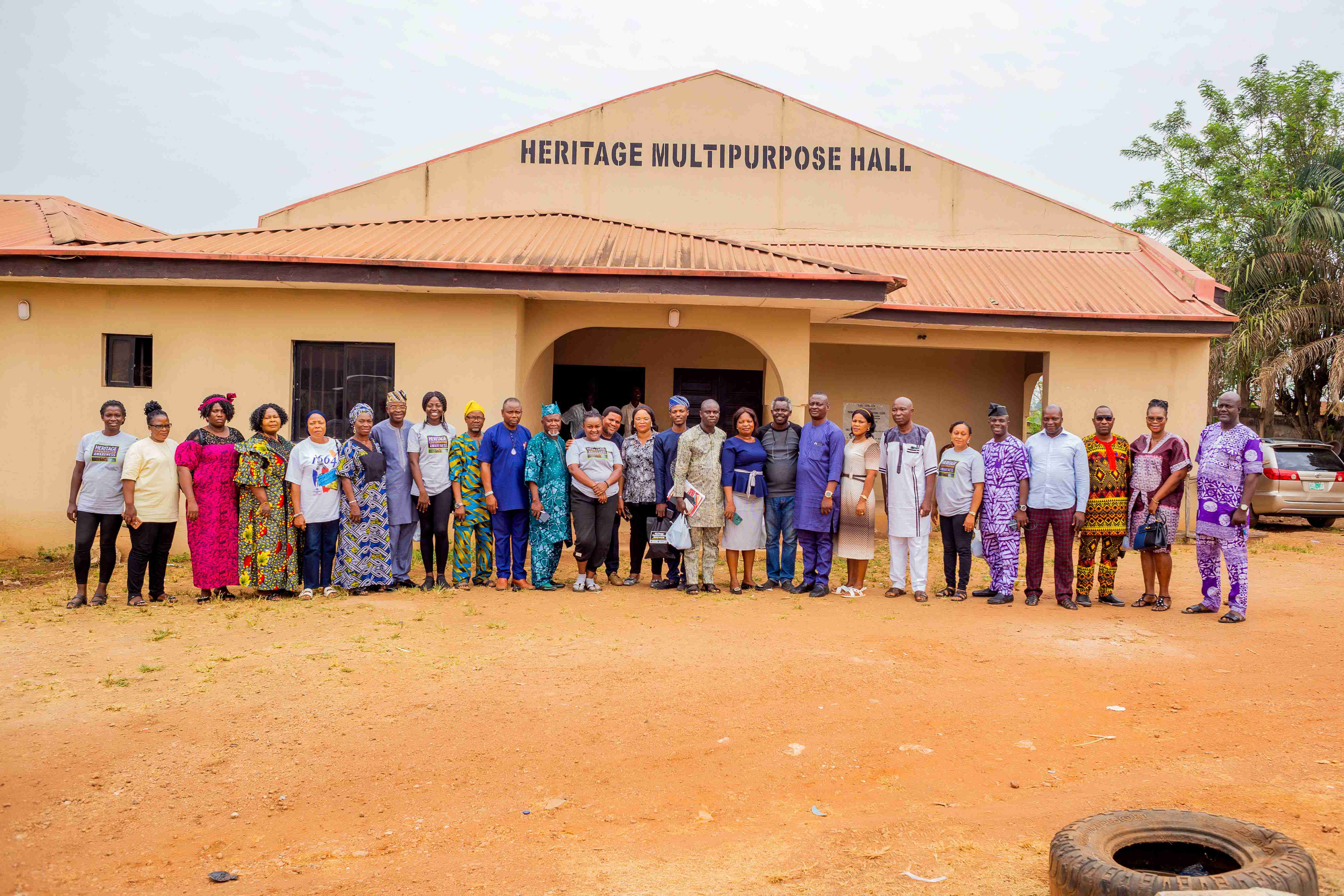 On the 22nd of February, in Yemoo Multipurpose Hall (Ife, Nigeria), the Ife Sungbo team in collobaration with the National Museum Ile - Ife and the AG Leventis Museum of Natural History organized a workshop on Heritage Conservation awareness. The event was sponsored by IFRA-Nigeria. The workshop was structured as a roundtable which aimed at fostering exchanges between stakeholders that all relate to the Ife Urban Archeological Heritage in different ways.
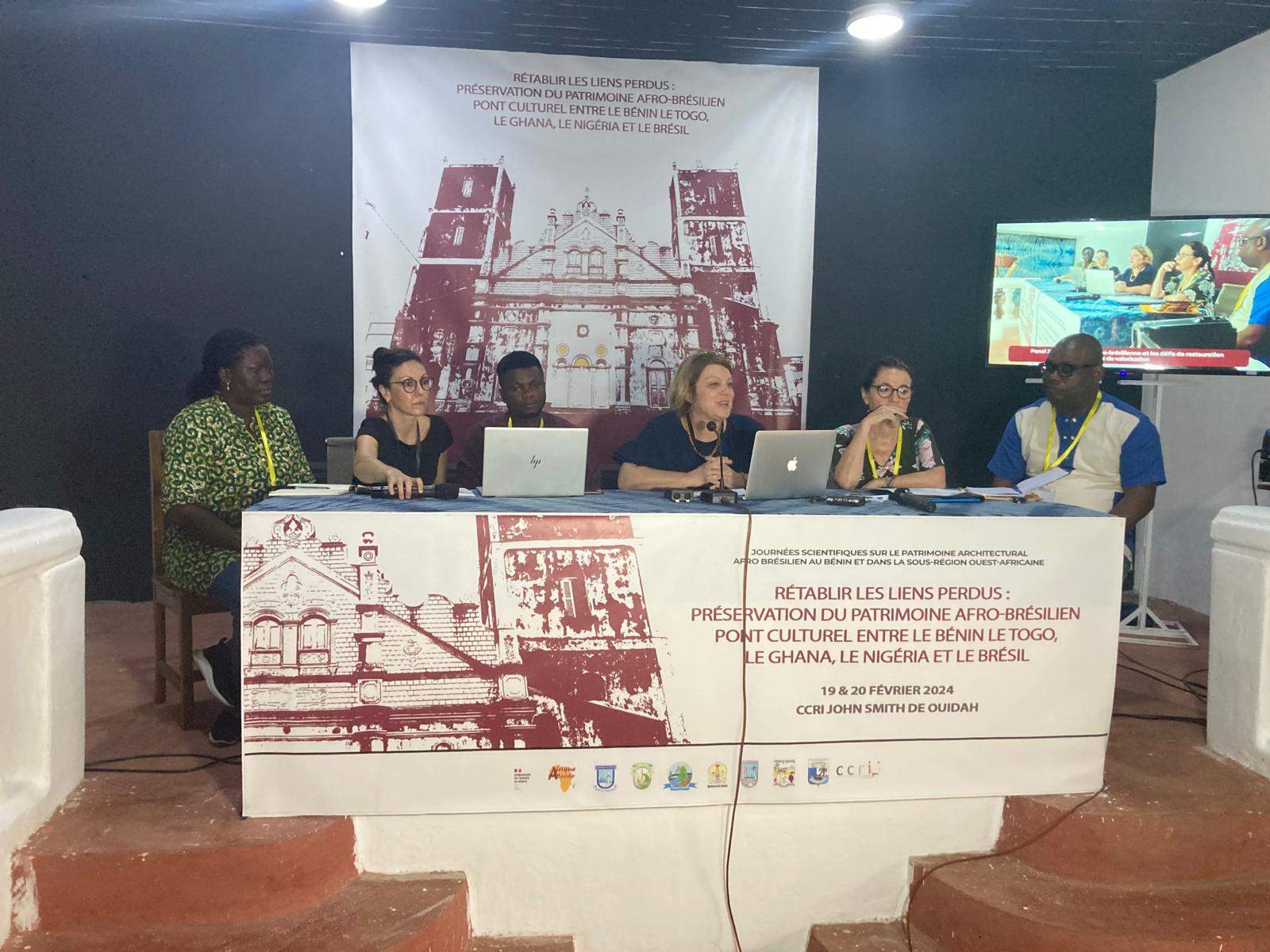 Between February 19 and 20, 2024, Delphine Manetta, Deputy Director of IFRA-Nigeria, and Femi Olanrewaju, coordinator of the IFRA-Nigeria's project on the preservation of Ibadan's religious architectural heritage, took part in Scientific Days on Afro-Brazilian Architectural Heritage in West Africa (Benin, Togo, Ghana, Nigeria) and Brazil at the John Smith International Cultural Meeting Center in Ouidah, Benin. The theme of the event was 'Restoring lost links: preserving Afro-Brazilian architectural heritage as a cultural bridge between Benin, Togo, Ghana, Nigeria and Brazil'.
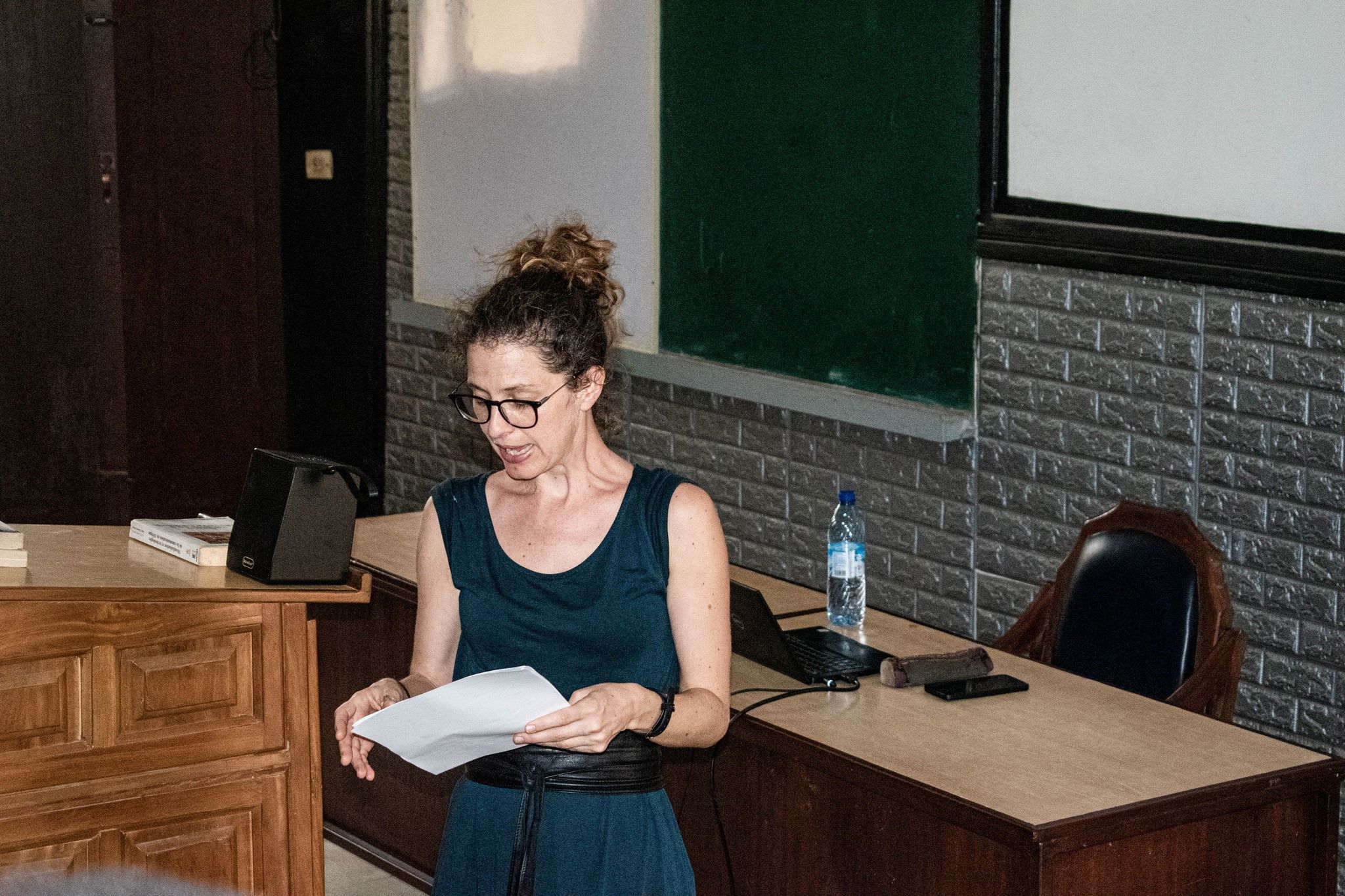 On the 15th of February, Pauline Guinard Associate Professor in Geography at the École Normale Supérieure de Paris gave a presentation titled " For a moving geography Reading urban transformations through emotions in the Greater Paris and Lagos”. During her exposé, Pauline talked about her academic path from viewing art as an object of study to art as a research method. She presented her current research on how residents experience urban change in Lagos and Greater Paris using a creative and participatory method and how art can be seen as a tool for taking into account the emotional dimension of people’s relationships with spaces.
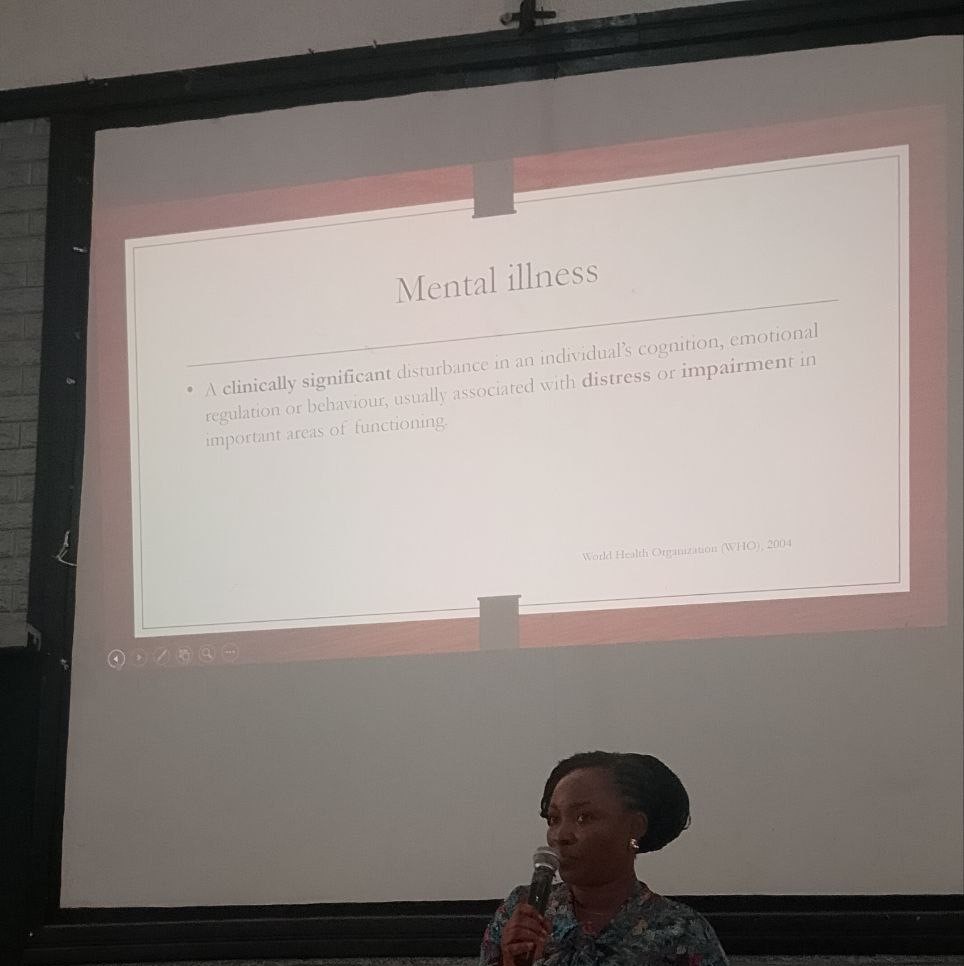 On the 8th of February, IFRA-Nigeria and TFS teamed up again to organise a screening and discussion on “Students' Mental Health and Well-Being”. Two short documentaries were be screened. ‘
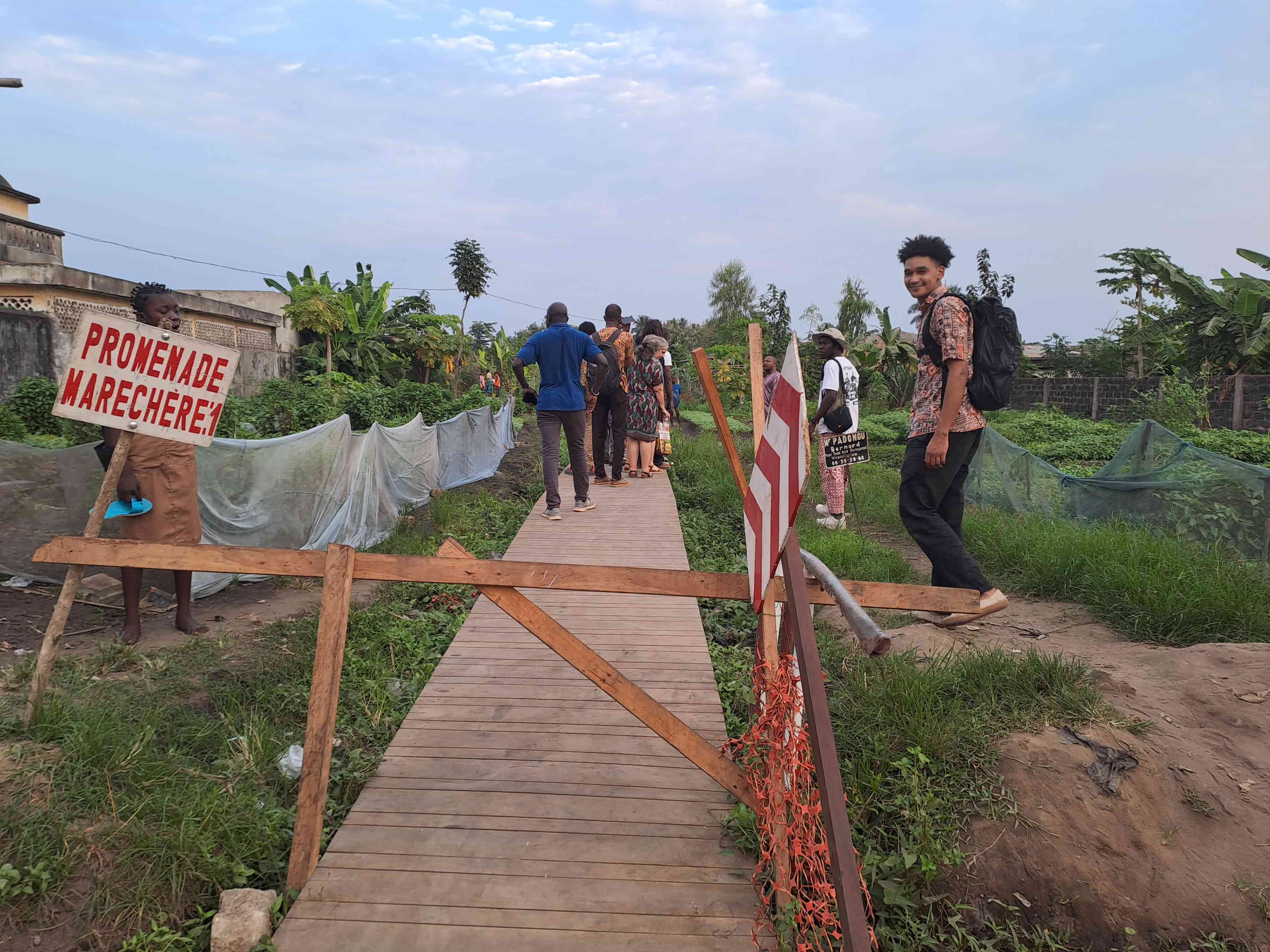 Taking place from January 7 to 14, 2024, this week-long workshop in Porto-Novo was aimed at taking stock of research conducted under the INFRAPATRI program. "Knowledges and attachments to urban plants in Sub-Saharan Africa (Benin, Cameroun, Nigeria, Senegal)" funded by the French Agence Nationale de la Recherche (ANR) from March 2021 to April 2025 and led by Emilie Guitard (CNRS/UMR Prodig). This workshop brought together most of the members of the multidisciplinary scientific team and artists present on the African continent.
 As part of both its programs on Digital Humanities and the Project of Engagement of Digital tools in the Conservation and Dissemination of Nigeria's Urban Archaeological Heritage, IFRA-Nigeria, in collaboration with the Ife-Sungbo Archaeological team has launched a research project in urban archaeology using digital tools for the conservation and dissemination of the archaeological heritage of Ile-Ife. Drawing from the fields of Digital Humanities, Archaeology, and Anthropology, the objective is to map out, research, and analyze the different types and spread of the medieval pavement found in Ile-Ife. In this context, IFRA-Nigeria is issuing the below call for application.
 This panel, which will take place during the Lagos Studies Association annual conference between the 25th and the 29th of June, aims at questioning and putting into debate the idea that religion is at the core of “Africanness” and African identities through the relation between religion, geography and sociocultural change, considering that religions – such as Islam, Christianity, and so called “traditional” religions – map territories. It invites researchers to study how religions, as institutions and sets of practices and beliefs, depict not socio-geographical realities that would be “natural” and “already there”, but instead define their own place within a disputed social space, an intention to expand over historical territories, complex relations in a context of religious plurality and competition and, finally, social and power relations in local or national space, sometime used by politicians.
 (French version below)
 The European Union-funded project “Women at work: for a comparative history of African female urban professions (Ethiopia, Sudan, Tanzania, Ghana) 1920-1970” (WomatWork) invites applications for research and fieldwork grants aimed to support Master students, PhD candidates, and postdocs interested in the history of women of popular classes working in urban professions during the colonial and early post-colonial periods in Africa (1920-1970). The selected candidates will present their results at a summer school that will take place in Addis Ababa from 7 to 15 October 2024. Details about the application process available below.
 The Higher Education, Research and Innovation Department (ESRI) of the Nigerian French Embassy is funding mobility grants for researchers, doctoral students and post-doctoral students in Nigeria. These SSHN (Séjours scientifiques de Haut Niveau/ High-level scientific stays) grants allowed several researchers to go to France in 2023. This article gather interviews they gave about their trips.
 AACTING (Act Against Child Trafficking In NiGeria) is a three year project run by ECPAT France, ECPAT Luxemburg, IFRA Nigeria, Girls Power Initiative and UROMI JDPCI in two Nigerian States. Its’ overarching objective is to contribute to reducing the prevalence of child trafficking, particularly for the purpose of sexual exploitation (CSE) in Edo and Delta States. This is an Action Research Project run by ECPAT France, GPI, JDPCI & IFRA-Nigeria with ECPAT International collaboration,